
Dead or declining trees
Dead tops, brittle limbs, trunk decay, fungal growth, cavities, or sparse canopy can make failure less predictable.
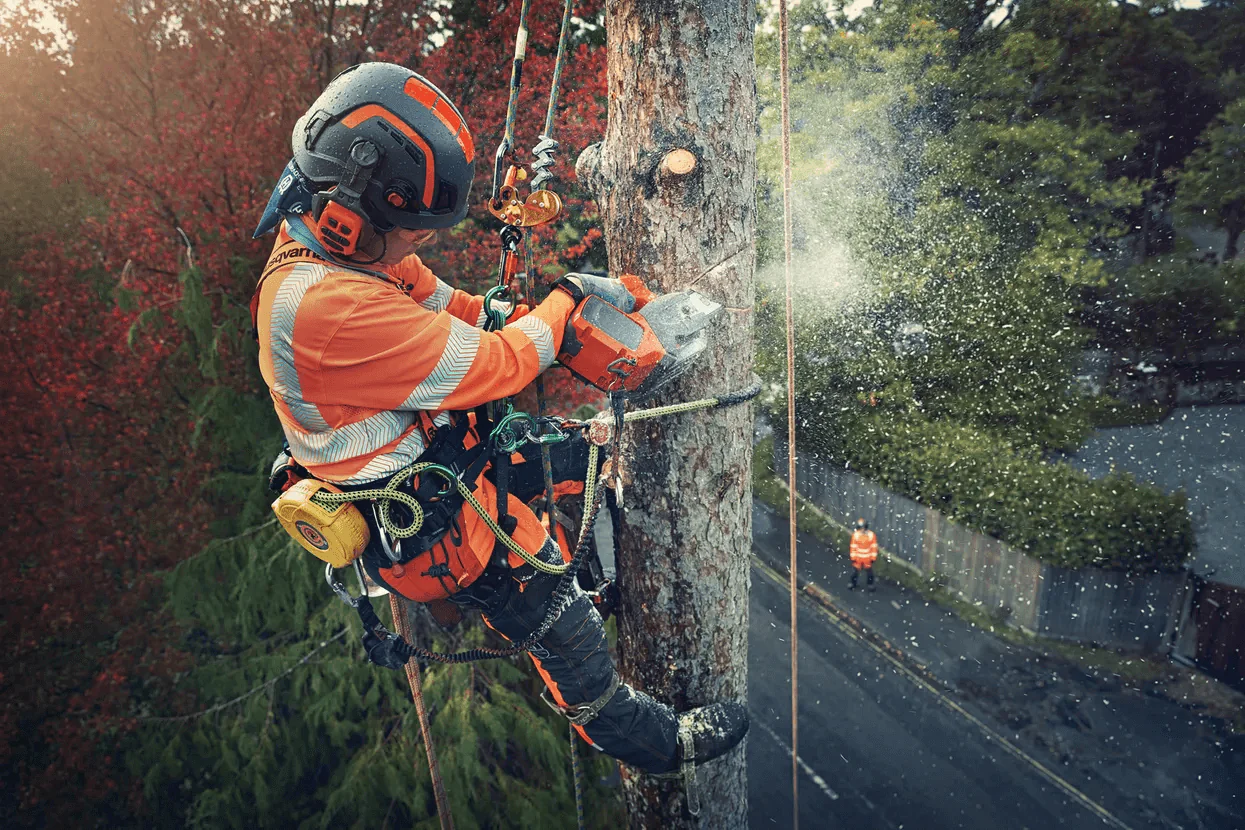
Creswell Tree Removal
Safe removal for dead, leaning, storm-damaged, crowded, or unwanted trees on Creswell homes, rural roads, acreage, foothill-edge properties, and I-5 corridor sites.
Tree Removal Creswell
Creswell removals often involve slopes, pasture edges, driveways, fences, shops, outbuildings, and tight residential yards. A useful estimate should explain what makes the tree unsafe or impractical, how the work area will be protected, and what cleanup will include.
Dead tops, brittle limbs, trunk decay, fungal growth, cavities, or sparse canopy can make failure less predictable.
Trees pointed toward slopes, pasture edges, driveways, fences, shops, outbuildings, and tight residential yards need a controlled plan before weather makes the risk worse.
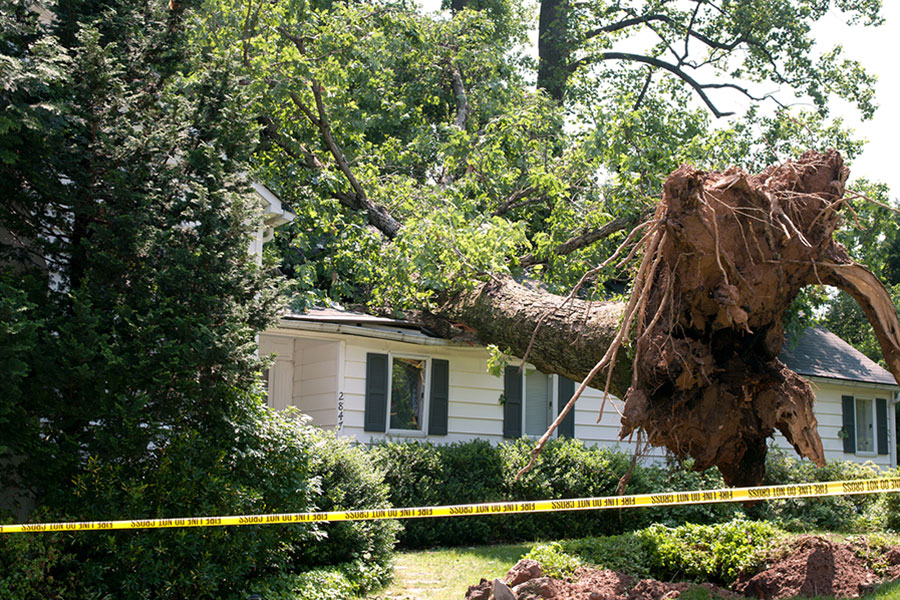
Broken tops, split trunks, hanging limbs, and uprooted trees should be reviewed before anyone works under them.
Some trees need to come out for safer access, sunlight, fencing, building clearance, mowing, or landscape changes.
We inspect the tree, lean, targets, access, soil, utilities, and cleanup needs around the Creswell property.
You get a practical scope for cutting method, debris handling, stump options, and scheduling.
The tree is removed in a sequence that protects structures, landscaping, access areas, and neighboring property.
Brush, logs, chips, and stump grindings are handled according to the estimate.
Height, trunk diameter, canopy spread, limb weight, and debris volume affect time and equipment.
slopes, pasture edges, driveways, fences, shops, outbuildings, and tight residential yards can change staging, equipment, and cleanup.
Dead, cracked, leaning, storm-damaged, or hard-to-reach trees require more control.
Hauling, chipping, logs left on-site, stump grinding, and final cleanup all affect scope.
Creswell Context
Creswell work should reflect the tree, the site, and the local conditions around downtown Creswell lots, I-5 corridor properties, rural roads, pasture edges, and homes near wooded or sloped ground.
slopes, pasture edges, driveways, fences, shops, outbuildings, and tight residential yards should be reviewed before scheduling so the crew can plan equipment, parking, and debris movement.
wet winter ground, wind exposure, foothill drainage, and trees near open fields can change urgency, access, and how much property protection is needed.
fir, cedar, maple, oak, alder, pine, fruit trees, and ornamental shade trees each respond differently to pruning, support, removal, and storm stress.
The estimate should explain what happens to brush, logs, chips, stump grindings, and the work area.
Local Planning Notes
These are the details that make a Creswell estimate more useful than a generic tree-care quote.
Trees close to homes, fences, patios, sheds, and driveways need a careful plan for access and debris control. A removal scope should identify the fall direction, nearby targets, and whether the tree can be pieced down without damaging the usable space around it.
Foothill drainage and soft ground can influence lean, root movement, and equipment access. That matters when a dead, leaning, or cracked tree is close to people, buildings, equipment, or access routes.
If the tree comes down, decide ahead of time whether logs should be hauled, cut for firewood, chipped, or left in a specific part of the property.
Photos of the trunk, canopy, base, nearest structures, and access from the road help shape a safer plan for slopes, pasture edges, driveways, fences, shops, outbuildings, and tight residential yards.
What To Expect
You should understand why tree removal is recommended and what options may exist.
The work should be scoped around slopes, pasture edges, driveways, fences, shops, outbuildings, and tight residential yards.
Ask what happens to brush, wood, chips, stump grindings, and the work area.
wet winter ground, wind exposure, foothill drainage, and trees near open fields should be considered before the job is scheduled.
Creswell Service Zone
Include the street, nearby cross street, or property type when requesting an estimate so the access and cleanup plan can match the site.
Removal pricing depends on height, trunk size, condition, lean, access, nearby targets, cleanup, and stump grinding. Creswell tree care often involves a mix of neighborhood trees, rural access, and foothill-edge conditions that affect safety and cleanup.
Yes. Trees near slopes, pasture edges, driveways, fences, shops, outbuildings, and tight residential yards need controlled cutting, staging, and debris handling before work begins.
Major decay, root movement, severe lean, cracks, dead tops, storm damage, or heavy limbs over targets can make removal the safer option.
Yes, if that is discussed in the estimate. Wood can often be hauled, cut down, chipped, or left in a specific area.
Include stump grinding if you want the space easier to mow, replant, fence, landscape, or walk across after the tree is gone.
Sometimes, but wet winter ground, wind exposure, foothill drainage, and trees near open fields can affect equipment access, turf protection, and scheduling.
It helps if access is locked, pets are present, or you want to explain the finished result, but photos can help start the conversation.
Yes. Estimates can be planned around downtown Creswell lots, I-5 corridor properties, rural roads, pasture edges, and homes near wooded or sloped ground, with access and cleanup scoped to the actual property.
Send photos of the whole tree, the base, the nearest targets, the access route, and anything unique about slopes, pasture edges, driveways, fences, shops, outbuildings, and tight residential yards.
Yes. Creswell service can include homes, rentals, farms, HOAs, small businesses, frontage, and managed sites.
Creswell Tree Services
Compare the related services for hazards, clearance, storm damage, stumps, tree support, assessments, and managed property care.

Free Estimate
Send the details and get a clear removal recommendation, cleanup plan, and no-pressure estimate.