Removal
Tree Removal
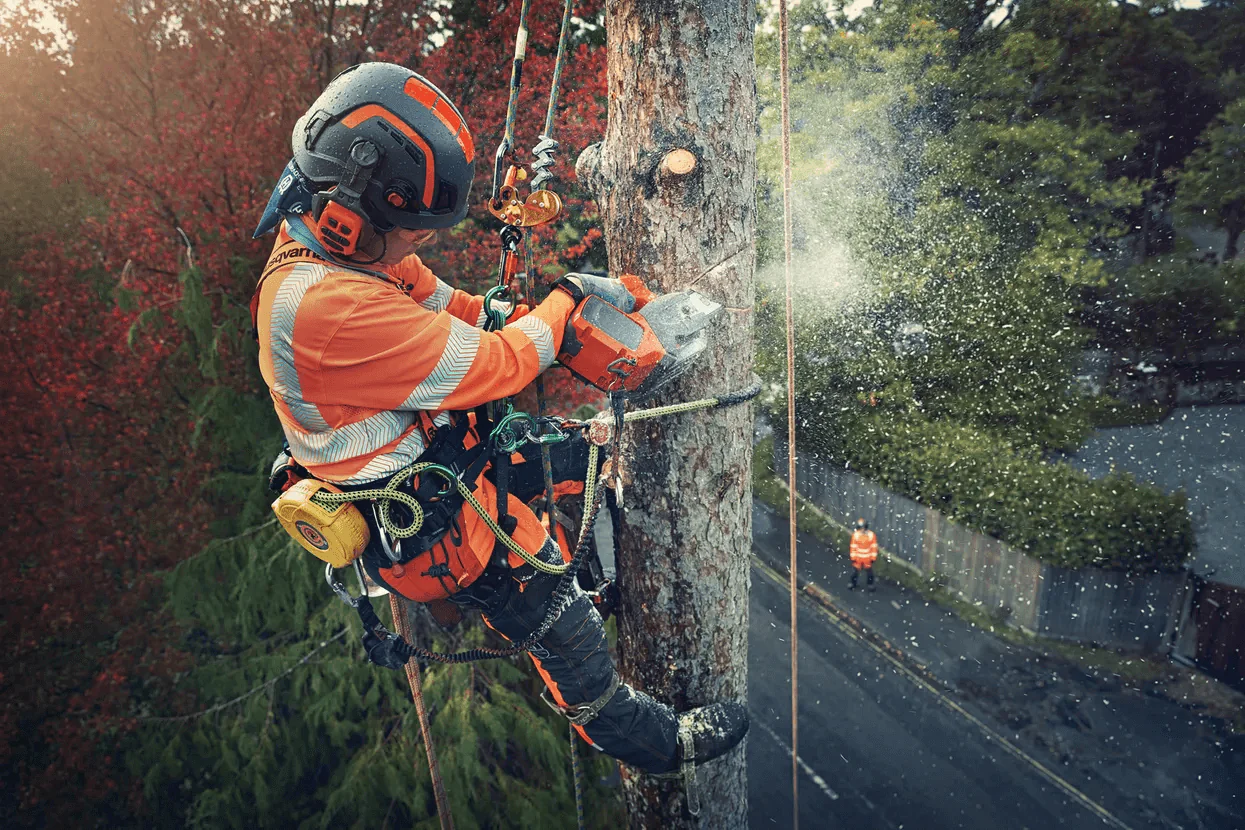
Safe, planned removals for dead, hazardous, storm-damaged, leaning, crowded, or unwanted trees.
- Hazardous and large tree removal
- Residential and property-management jobs
Tree Services Springfield Oregon
From urgent removals to routine pruning, stump grinding, tree assessments, and commercial property care, Springfield Tree Service helps you choose the right next step and get the work done cleanly.
Our Services
Every property is different, so each estimate starts with the tree, the site, the targets around it, and what you want the space to become afterward.
Removal
Safe, planned removals for dead, hazardous, storm-damaged, leaning, crowded, or unwanted trees.
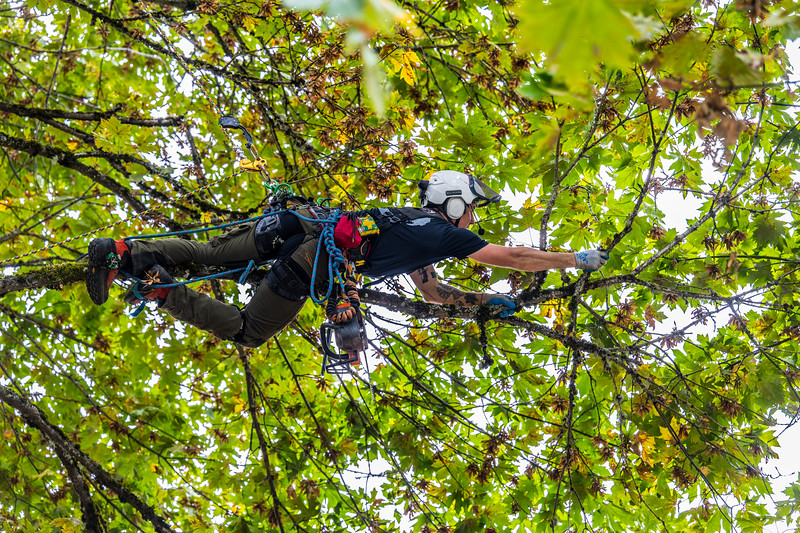
Improve clearance, structure, health, safety, and appearance with careful pruning for the right season and objective.
Stumps
Clear leftover stumps, surface roots, chips, and trip hazards so the area is easier to mow, landscape, or replant.
Emergency
Urgent help for storm-damaged trees, fallen trees, cracked trunks, broken tops, hanging limbs, and blocked access.
Support
Support vulnerable trees, reduce structural failure risk, and preserve valuable canopy when removal is not the best first step.
Assessment
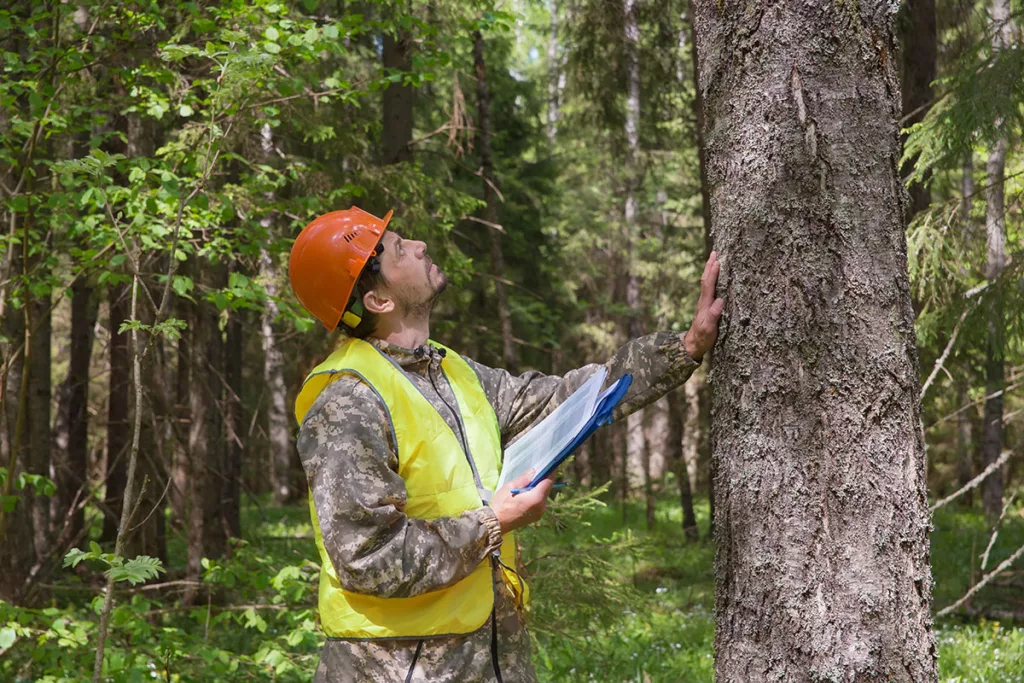
Get practical insight into tree health, risk, storm damage, maintenance priorities, and whether pruning, support, or removal makes sense.
Commercial
Tree care for HOAs, apartments, retail properties, offices, schools, churches, campuses, rentals, and managed sites.
Which Service Fits?
If you are not sure what to request, describe the tree, the concern, and what it is near. The estimate can cover the right mix of services.
Start with emergency tree removal, especially after wind, rain, or sudden limb failure.
Tree pruning may improve clearance, structure, sunlight, and appearance without removing the tree.
Stump grinding clears the surface hazard and prepares the area for lawn, beds, fencing, or replanting.
Cabling, bracing, or selective pruning may reduce risk while preserving canopy.
A tree assessment helps clarify health, risk, storm damage, and the most practical next step.
Commercial tree service can combine pruning, removals, emergency work, stump grinding, cleanup, and scheduled maintenance.
Our Process
Tree work gets smoother when the plan is clear before equipment and crew arrive.
Tell us what is happening, where the tree sits, and whether it is urgent.
We look at tree condition, size, access, targets, cleanup needs, and nearby structures.
You get a practical recommendation and clear scope for removal, pruning, stump work, support, or assessment.
The job is scheduled, performed with property protection in mind, and cleaned up according to the estimate.
Commercial Tree Service
Commercial properties often need more than a single tree service. We can help combine removals, pruning, stump grinding, emergency response, assessments, debris cleanup, and ongoing maintenance into one clear scope.
FAQs
Each service has its own planning details. These answers help you narrow the request before a tree-specific estimate confirms scope, timing, equipment, cleanup, and price.
Removal may be the better choice when a tree is dead, severely decayed, splitting, leaning toward a target, damaging structures, or unlikely to recover from storm or root damage.
Yes. Tight-access removals are planned around nearby structures, utilities, landscaping, access routes, and cleanup needs so the crew can choose the right equipment and rigging approach.
Debris handling is set in the estimate. Depending on the scope, brush can be chipped, wood can be hauled, logs can be left onsite, and the work area can be cleaned afterward.
Yes. Stump grinding can often be added to the same estimate if you want the area easier to mow, landscape, replant, or use after the tree is down.
Not always. If access is clear and the scope is confirmed, the work can often be completed without you onsite. Gates, pets, vehicles, and access instructions should be handled before the crew arrives.
Timing depends on species, age, growth rate, condition, and goals. Many trees benefit from periodic maintenance, while storm damage, deadwood, or clearance issues may need attention sooner.
Pruning may include deadwood removal, clearance pruning, structural pruning, canopy thinning, weight reduction, and selective cuts to improve safety, health, sunlight, or appearance.
Pruning can reduce certain risks by removing dead, broken, crowded, or overextended limbs. It cannot make a tree storm-proof, but it can improve structure and reduce obvious hazards.
Proper pruning is meant to support the tree. Over-pruning, topping, or poor cuts can create stress and decay, so the estimate should match the pruning objective to the tree's condition.
The best timing depends on the tree and the reason for pruning. Dead, broken, or hazardous limbs can be addressed when needed, while planned structural work may be scheduled for a better seasonal window.
Grinding shaves the stump below grade and leaves the root system to decay naturally. Full removal digs out more root material and is usually more disruptive to the surrounding soil.
Depth depends on the site and future use of the area. The estimate can account for lawn repair, planting beds, walkway prep, fence work, or other plans for the space.
Stump grinding creates chips mixed with soil. They can often be left to settle, spread as mulch, or hauled depending on the cleanup scope you choose.
Often, but the site needs to be reviewed first. Underground utilities should be marked, and nearby concrete, irrigation, fencing, or landscaping may affect access and grinding limits.
Sometimes, but the area may need chip removal, fresh soil, and enough space away from major roots. The best plan depends on what you want to plant and how the old tree grew.
Emergency situations can include fallen trees, cracked trunks, hanging limbs, split leaders, blocked driveways, trees on structures, or storm-damaged trees that may fail soon.
Stay away from the tree and the surrounding area, then contact the utility provider first. Tree work near energized lines needs the right utility coordination before removal or cleanup begins.
Response depends on weather, road conditions, crew availability, and the severity of the hazard. When you call, describe what failed, what it is touching, and whether access is blocked.
Yes. The first priority is usually reducing the immediate hazard or restoring access. Final cutting, hauling, stump grinding, or landscape cleanup can be scheduled after the urgent work is stable.
The estimate and job details can describe the visible tree damage and proposed work. Your insurance provider can confirm what documentation they need for a claim.
Cabling and bracing can add supplemental support to weak unions, heavy limbs, or vulnerable stems. The goal is to reduce movement and help preserve a tree when removal is not the preferred first step.
No support system can guarantee that. Cabling and bracing may reduce certain structural risks, but trees still need inspection, maintenance, and realistic expectations after installation.
Good candidates may include valuable trees with weak unions, included bark, heavy lateral limbs, or manageable structural defects. Trees with severe decay or root failure may not be suitable.
Yes. Support systems should be checked periodically as the tree grows and after major weather events. Hardware, tension, limb movement, and tree condition can change over time.
Often. Selective pruning can reduce weight and wind load before or alongside support installation, which may help the system work with the tree's structure instead of fighting it.
An assessment looks at visible condition, structure, defects, site factors, nearby targets, and practical next steps such as pruning, monitoring, support, removal, or additional evaluation.
Visible symptoms can be reviewed and discussed. Some issues may require lab testing, advanced diagnostics, or specialist evaluation if the cause is not clear from the site visit.
Sometimes. If a tree is worth preserving and the risk is manageable, recommendations may include pruning, cabling, bracing, soil care, monitoring, or changing targets around the tree.
Request one when you see cracks, new leans, hanging limbs, root plate movement, broken tops, or large limb loss. If the tree is actively dangerous, treat it as an emergency first.
The estimate can document the recommended scope and visible concerns. If you need a formal report for permitting, insurance, or a property transaction, ask what level of documentation is appropriate.
Commercial tree service can support HOAs, apartments, retail properties, offices, schools, churches, campuses, rentals, managed sites, parking areas, entrances, and shared landscapes.
Yes. Commercial work can be planned as one-time service or recurring maintenance for pruning, removals, assessments, storm cleanup, stump grinding, and priority hazard reduction.
Scheduling can account for access, parking, foot traffic, tenant notices, customer areas, and cleanup timing. Larger scopes can be phased to reduce disruption when needed.
Yes. Emergency and storm cleanup can cover blocked entrances, fallen trees, hanging limbs, damaged parking areas, pedestrian hazards, and trees affecting buildings or shared access routes.
Yes. Commercial estimates can group several trees, priorities, and locations into one scope so property managers can compare urgent work, maintenance items, and future planning.
Get a Free Estimate
Tell us what is happening with the tree, where it sits on the property, and what you want done. We will help you choose the right service and provide a clear estimate.
