
The tree looks stressed or declining
Sparse leaves, dead tips, mushrooms, wounds, discoloration, pests, or sudden canopy changes can be signs worth reviewing.
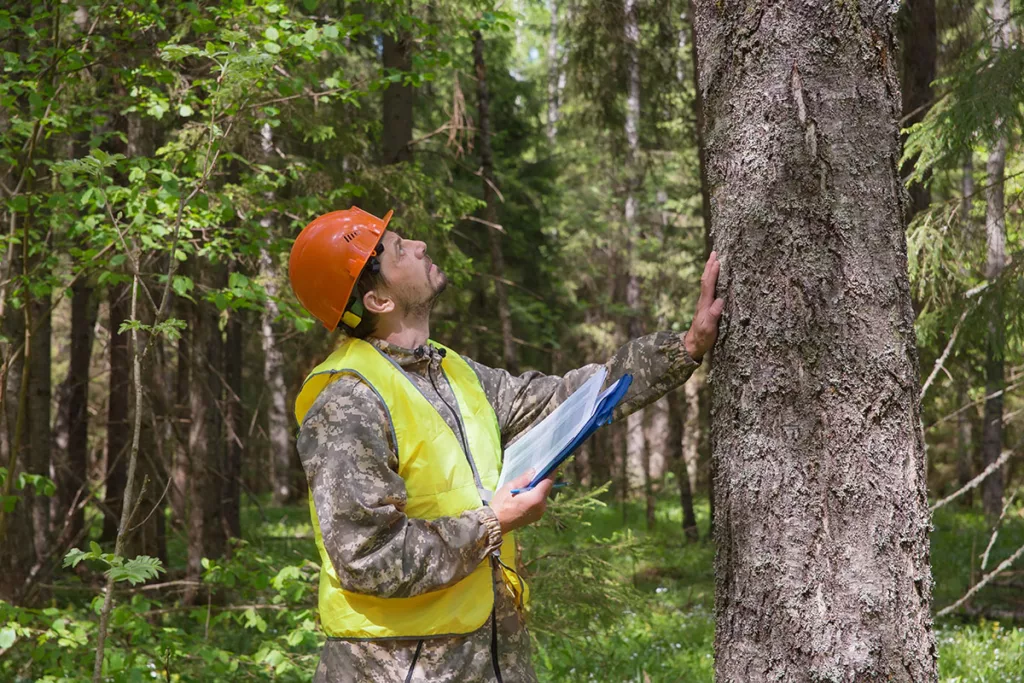
Tree Assessments Springfield OR
Professional tree assessments for health concerns, storm damage, dead limbs, lean, cracks, decay, root issues, and tree risk questions on Springfield properties.
Professional Tree Assessments Springfield
Tree assessments in Springfield help property owners understand what is happening with a tree, how serious the concern may be, and what options make sense. The goal is a practical recommendation based on visible structure, health, site conditions, and nearby targets.
Sparse leaves, dead tips, mushrooms, wounds, discoloration, pests, or sudden canopy changes can be signs worth reviewing.
Broken limbs, fresh cracks, hanging branches, new lean, or root movement after wind and rain should be assessed before more damage occurs.
An assessment can help you decide whether pruning, cabling, removal, monitoring, or cleanup is the best next step.
Review of canopy condition, stress signs, wounds, decay indicators, insects, disease symptoms, and environmental pressure.
Review of lean, cracks, cavities, roots, limb weight, targets, access areas, and visible likelihood of failure concerns.
Review of broken limbs, hanging branches, cracked trunks, fresh lean, uprooting, and post-storm cleanup or removal needs.
Assessment before pruning, removal, construction, landscaping, home sale prep, insurance questions, or long-term tree care planning.
We review species, size, canopy condition, trunk condition, roots, soil, targets, access, and the concern that prompted the assessment.
The tree is reviewed for deadwood, cracks, cavities, decay signs, pests, disease symptoms, storm damage, lean, weak unions, and root movement.
You get a clear next step, which may include pruning, cabling, bracing, removal, monitoring, cleanup, or further investigation.
If work is recommended, the estimate can outline scope, access, debris handling, scheduling, and what should be watched over time.
If a tree is cracked, uprooting, leaning suddenly, dropping large limbs, or touching a power line, keep people away from the area. If utilities are involved, contact the utility company first.
Springfield trees can show stress in different ways. An assessment helps sort out what is cosmetic, what needs maintenance, and what may call for faster action.
Dead limbs, thinning leaves, bare tips, yellowing, and reduced growth can point to stress, disease, drought, or root issues.
Open wounds, mushrooms, cavities, trunk cracks, and decay pockets should be reviewed in context with the tree's structure and targets.
New lean, raised soil, root plate movement, or cracking soil can change the urgency of a tree concern.
Limbs over roofs, driveways, walkways, yards, fences, and vehicles may need pruning, support, monitoring, or removal.
Exact pricing depends on the tree, the concern, the property, and whether the assessment leads into a work estimate. These are the factors that usually shape scope.
Height, canopy spread, trunk diameter, and root area can affect the time needed to review the tree.
Health, decay, storm damage, root movement, structural defects, and hazard questions require different review.
Trees near roofs, roads, fences, utilities, slopes, or neighboring property may require more careful review.
If work is recommended, the estimate may include pruning, removal, cabling, cleanup, or monitoring guidance.
Tree reviews around homes, garages, fences, patios, driveways, gardens, outdoor living areas, and neighboring yards.
Tree reviews for apartments, retail sites, offices, schools, churches, HOAs, rentals, and managed properties.
After the tree is reviewed, the next step may be pruning, removal, cabling, cleanup, monitoring, or no immediate work. The point is to choose the right action for the tree and property.
Tree assessments affect safety, property decisions, and long-term tree care. The best experience is clear, practical, and carefully explained from first look through next steps.
A tree assessment reviews visible health, structure, canopy condition, roots, trunk, decay signs, storm damage, nearby targets, and the concern you want answered.
Schedule an assessment when you notice dead limbs, cracks, lean, mushrooms, root movement, canopy decline, storm damage, branches over targets, or uncertainty about removal or pruning.
Yes. If removal appears to be the safest or most practical option, the recommendation can explain why and what the removal scope may involve.
Yes. Storm assessments can review broken limbs, hanging branches, cracked trunks, fresh lean, uprooting, and cleanup or emergency removal needs.
Cost depends on the number of trees, access, concern type, property conditions, and whether the assessment leads into a work estimate.
Yes. An assessment can identify deadwood, clearance issues, structural concerns, end weight, and whether pruning would help the tree or property.
Yes. Tree support should start with an assessment of the defect, targets, tree condition, and whether support is appropriate.
Yes. Multiple trees can be reviewed together so recommendations can be prioritized by urgency, safety, budget, and property goals.
Find the right next step for your property, from urgent hazards to long-term tree care.
Get a Free Estimate
Get a clear recommendation, a practical next step, and a no-pressure estimate from a local tree service focused on Springfield properties.