
Lane County Tree Service
Tree Services In Lane County, OR
Tree service for Lane County homes, rentals, HOAs, businesses, campuses, rural properties, and managed sites, including removal, pruning, stumps, storm work, assessments, support, and maintenance.
- Residential, HOA & commercial
- Storm damage and hazard help
- Cleanup and stump options
Lane County Services
Tree services available in Lane County, OR
Lane County tree services include tree removal, pruning, stump removal, emergency tree removal, cabling and bracing, tree assessments, and commercial tree care.
Tree Removal
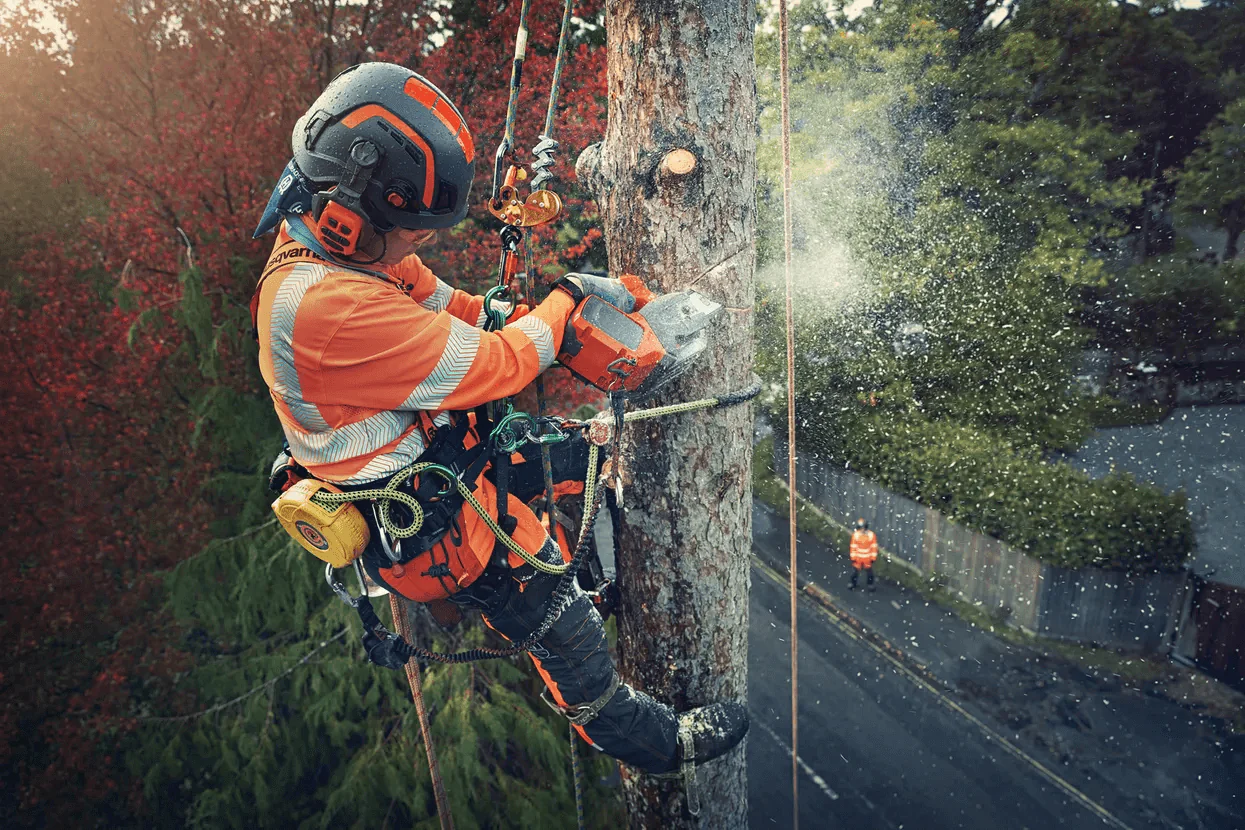
Remove dead, leaning, storm-damaged, crowded, or unwanted trees.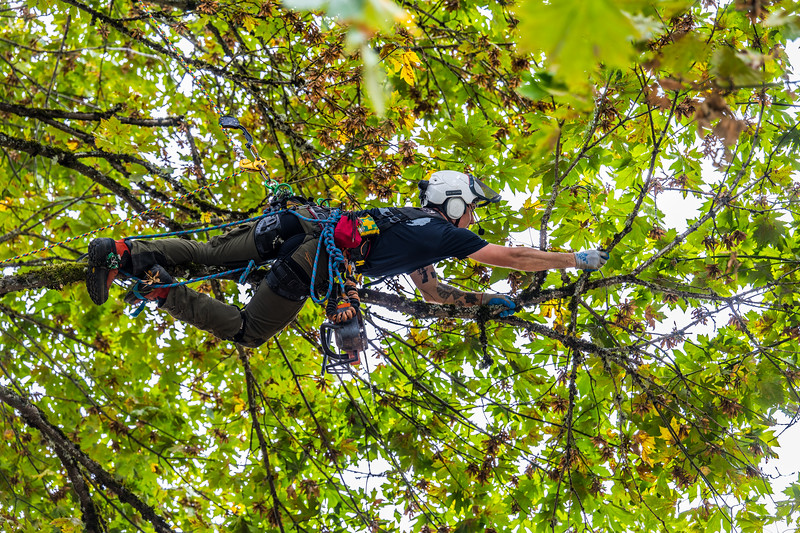
Tree Pruning
Fix clearance, deadwood, limb weight, and canopy problems.
Stump Removal
Clear stumps that block mowing, planting, fencing, or access.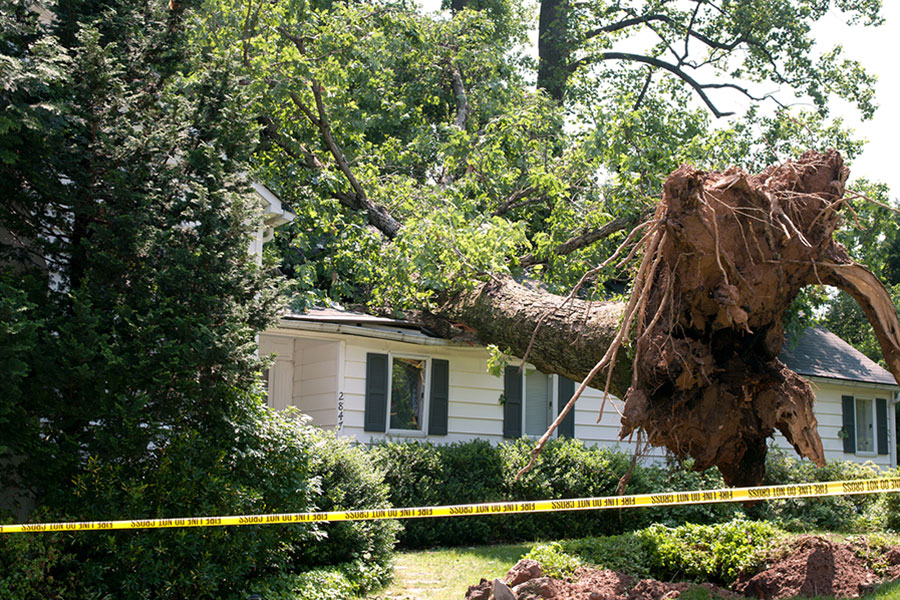
Emergency Tree Removal
Get urgent help for fallen trees, hanging limbs, and blocked access.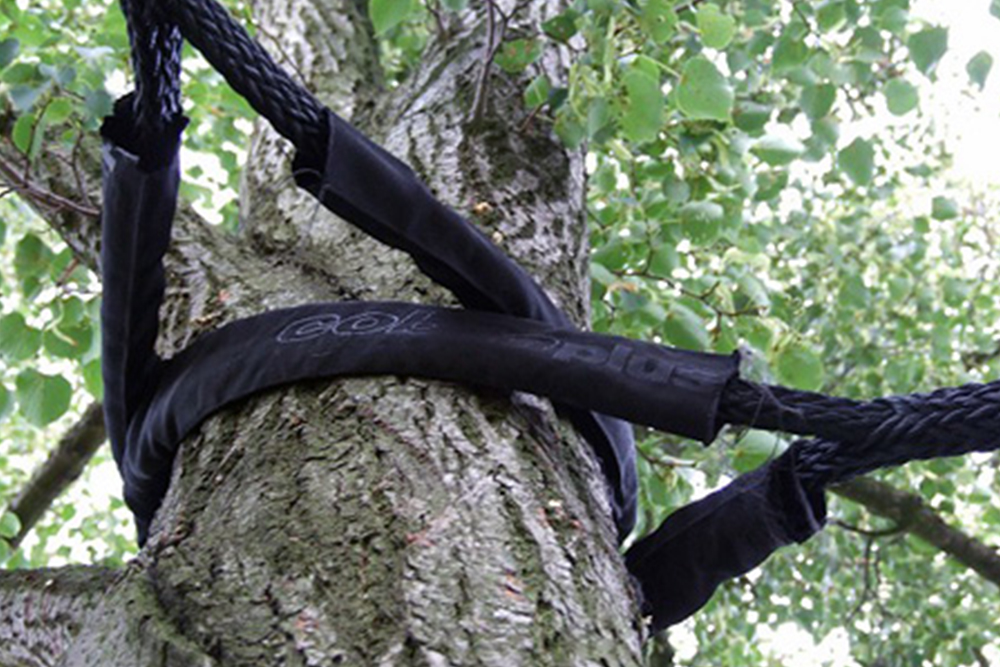
Cabling & Bracing
Support selected weak unions when preservation makes sense.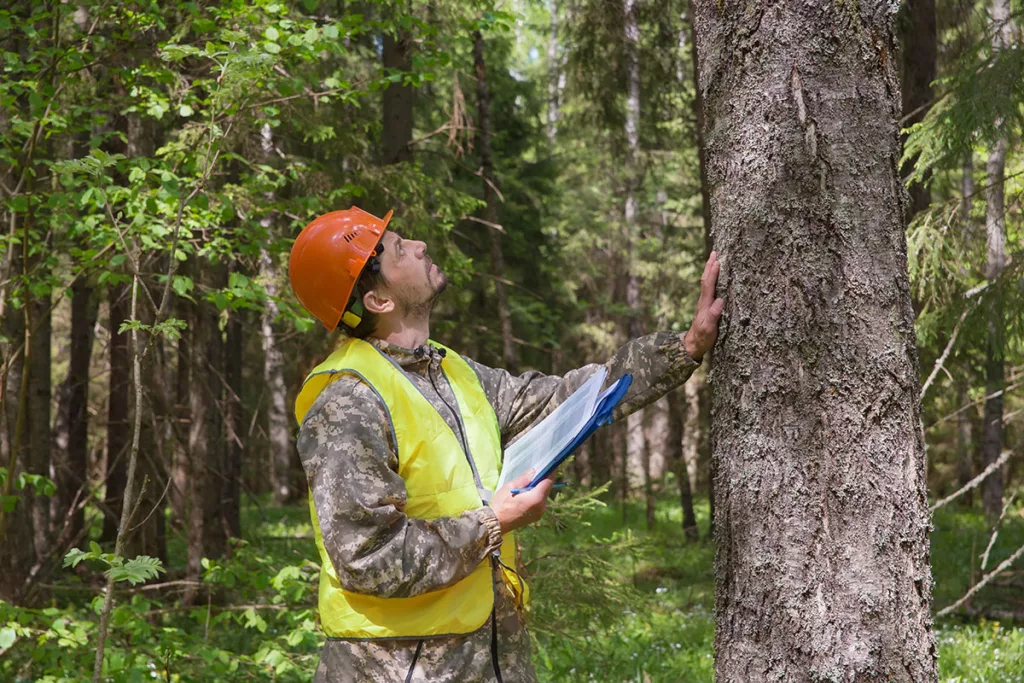
Tree Assessments
Understand risk, health, damage, and the safest next step.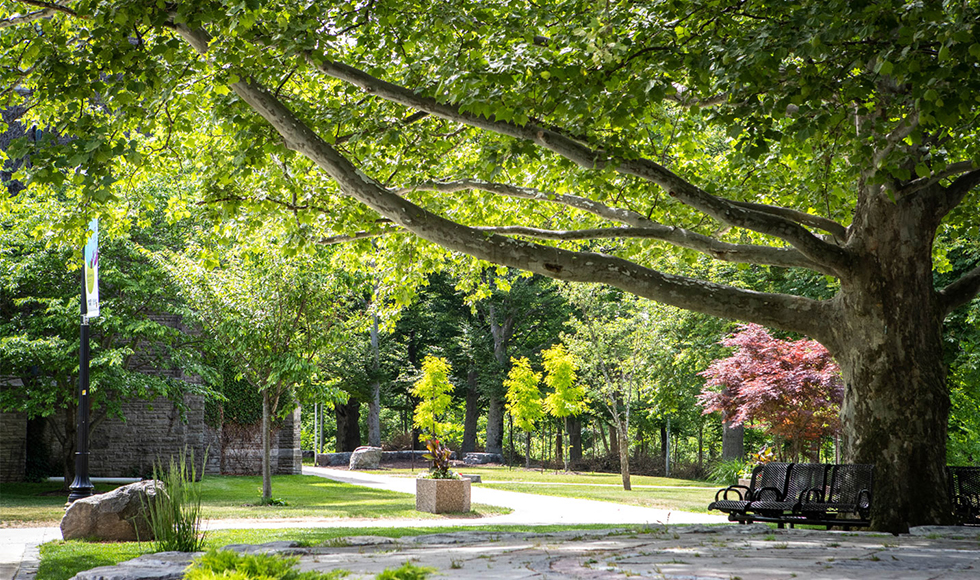
Commercial Tree Services
Plan removals, pruning, stumps, storm response, and maintenance.Lane County Service Area
Tree service coverage across Lane County, OR
Springfield Tree Service serves Lane County homeowners, businesses, HOAs, rental properties, campuses, and managed sites, including Eugene, Springfield, Thurston, Glenwood, Coburg, Junction City, Creswell, Cottage Grove, Veneta, Elmira, and nearby rural communities.
Lane County Service Zone
Lane County, Oregon service-zone map
If you are not sure whether your property is in range, start with an estimate request and include the city, road, or neighborhood. We will help confirm the right next step for the tree and the site.
Lane County FAQs
Common Lane County tree service questions.
Do you provide tree service throughout Lane County?
Yes. Springfield Tree Service helps Lane County homeowners, businesses, HOAs, rentals, and managed properties with tree removal, pruning, stump grinding, emergency work, assessments, cabling and bracing, and commercial tree care.
How do I know which tree service I need?
If a tree is dead, leaning, storm-damaged, or unwanted, start with tree removal. If the tree needs clearance, deadwood removal, or canopy care, start with pruning. If you are unsure, request an estimate and we can help point you to the right next step.
Can you help with urgent storm damage in Lane County?
Yes. Emergency tree work can help with fallen trees, broken tops, hanging limbs, blocked driveways, and trees threatening structures. If power lines are involved, stay away and contact the utility company first.
Do you offer commercial tree maintenance plans?
Yes. Commercial tree care can include scheduled pruning, tree assessments, removals, stump grinding, storm preparation, cleanup, and annual maintenance planning for apartments, HOAs, campuses, retail sites, offices, and managed properties.
How much does tree service cost in Lane County?
Cost depends on the service, tree size, access, condition, nearby targets, equipment needs, cleanup, and whether stump grinding is included. The most useful price comes from an estimate based on the actual tree and property.
Can you remove a tree close to a house, fence, or driveway?
Yes. Trees near structures, fences, driveways, sheds, roads, and neighboring property need a controlled plan. Access, lean, canopy weight, and available work space all shape the safest removal method.
Is stump grinding included after tree removal?
Stump grinding can be included with the tree removal estimate or handled separately. Ask for it if you want the area easier to mow, replant, landscape, fence, or use after the tree is gone.
Do you haul away branches, logs, and debris?
Cleanup should be discussed before work is scheduled. Depending on the estimate, brush can be chipped, logs can be hauled or left on-site, and stump grindings can be left, spread, or removed.
Do I need a permit to remove a tree in Lane County?
Permit needs can depend on the city, property type, tree status, HOA rules, development conditions, and local requirements. If permitting may apply, it should be reviewed before removal is scheduled.
Can pruning fix a tree that looks unsafe?
Sometimes pruning can reduce deadwood, improve clearance, or reduce limb weight. If the tree has major decay, root movement, severe lean, cracking, or storm damage, an assessment or removal recommendation may be more appropriate.
Free Estimate
Need tree service in Lane County, OR?
Request an estimate for Lane County tree service and include the location, service needed, and any cleanup, hauling, or stump work you want reviewed.