Fallen trees
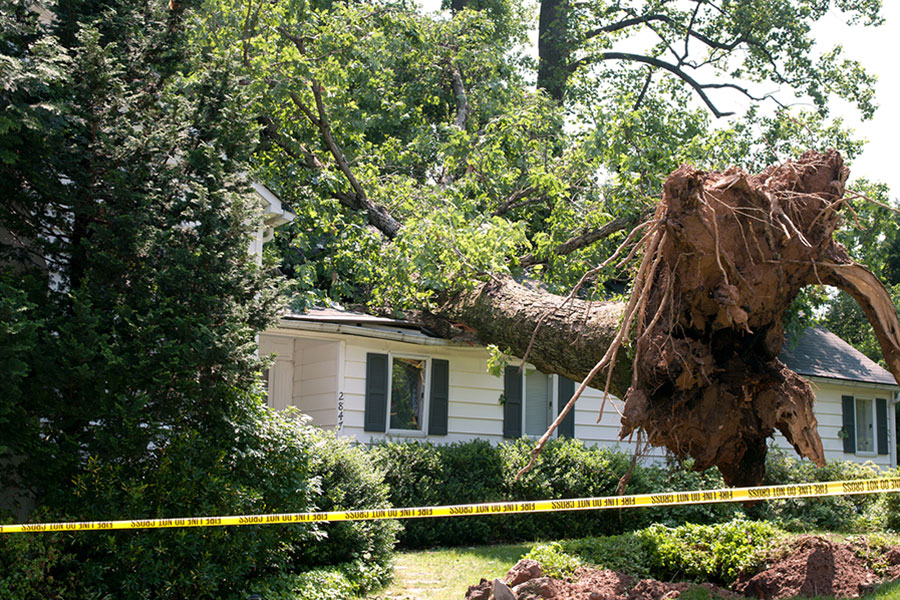
Trees down across yards, driveways, fences, outbuildings, parking areas, or access routes.
Lane County Emergency Tree Removal
Urgent help for fallen trees, storm damage, cracked trunks, blocked access, hanging limbs, and high-risk tree hazards.
Storm Damage Lane County
Wind, saturated soil, heavy limbs, decay, and hidden cracks can turn a normal tree issue into an urgent hazard. Emergency tree removal in Lane County focuses on reducing immediate risk, restoring access, and planning cleanup without adding new damage to the property.
Trees down across yards, driveways, fences, outbuildings, parking areas, or access routes.
Tree failures involving homes, garages, sheds, commercial buildings, or property features.
Suspended limbs and snapped tops can shift without warning and should be treated as active hazards.
Tree debris across driveways, private lanes, parking entries, or managed property routes.
Share where the tree is, what it is touching, whether access is blocked, and whether power lines are involved.
The work is scoped around immediate safety, access, structure protection, and the safest removal sequence.
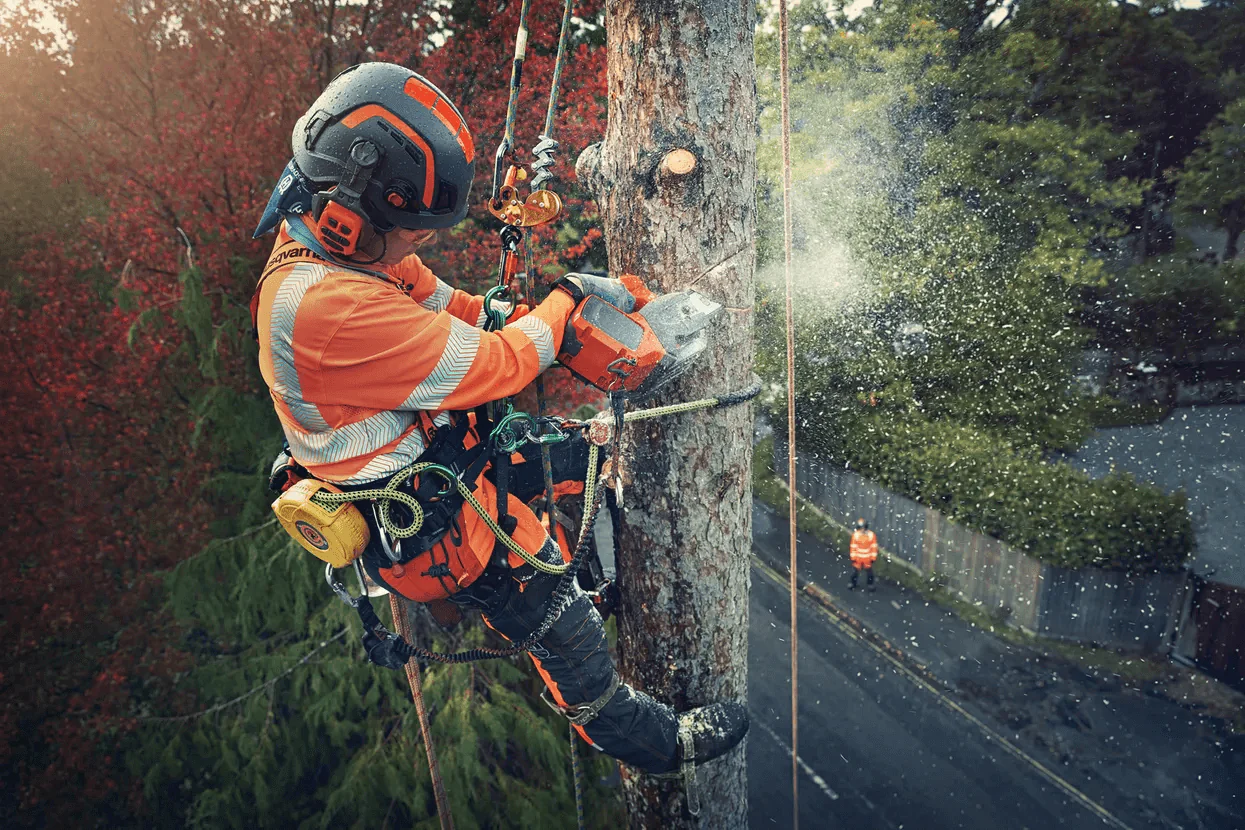
Crews remove or reduce the immediate hazard with control around damaged wood and unstable load.
Remaining debris, logs, stump grinding, and follow-up pruning or assessment can be planned after access is restored.
Trees on structures, under tension, split, uprooted, or suspended can require more control.
Blocked driveways, roads, gates, businesses, or tenant access may change scheduling priorities.
Storm conditions, after-hours needs, and site safety can affect the scope.
Emergency stabilization and full debris cleanup may be handled as separate parts of the project.
Lane County Context
After wind, rain, or saturated soil, the first priority is staying clear of unstable wood and restoring safe access. Emergency work should focus on the immediate hazard before cleanup and stump options are finalized.
Fallen trees across access points can affect homeowners, tenants, businesses, and emergency access.
Split trunks, hanging limbs, uprooted trees, and broken tops can shift without warning.
If the tree is touching lines, stay away and contact the utility company before any tree work begins.
What To Expect
You should understand why emergency tree removal is recommended, what other options may exist, and what needs attention first.
The work should be scoped around structures, utilities, roads, driveways, fences, landscaping, vehicles, and people using the property.
Ask what happens to brush, wood, chips, stump grindings, and the work area so the final condition matches what you expect.
Lane County properties can involve tenants, customers, rural access, weather, parking, and neighbors. Those details should be part of the plan.
Lane County Service Zone
If you are not sure whether your property is in range, start with an estimate request and include the city, road, or neighborhood. We will help confirm the right next step for the tree and the site.
Stay clear of the tree, especially if limbs are hanging, the trunk is split, or the tree is touching a structure. If power lines are involved, stay away and call the utility company first.
They can, but the urgent priority is safety and access. Cleanup, hauling, stump grinding, and follow-up work should be clearly scoped in the estimate.
Tree-on-structure situations need careful review. The plan depends on stability, roof damage, access, weather, and whether other professionals are needed.
Emergency situations include trees on structures, blocked access, broken tops, split trunks, hanging limbs, uprooted trees, and storm-damaged trees threatening people or property.
Stay away from the tree, keep others clear, avoid standing under hanging limbs, and do not approach any tree touching power lines.
Yes. Restoring safe access is often the first priority when a tree blocks a driveway, lane, parking area, or property entrance.
It depends on conditions and site safety. Some hazards can be stabilized quickly, while others may need safer weather or utility coordination.
Coverage depends on your policy, cause of damage, and what the tree hit. Document the situation with photos and contact your insurer when property damage is involved.
Yes. Emergency response can focus on the hazard first, then cleanup, hauling, stump grinding, or follow-up pruning can be scoped afterward.
Avoid cutting limbs under tension, trees on structures, or hanging branches. Damaged trees can shift suddenly and create serious risk.
Lane County Services
Compare the common next steps for tree problems like hazards, overgrowth, leftover stumps, storm damage, weak limbs, and ongoing property maintenance.

Free Estimate
Call now if access is blocked or a tree is threatening a structure. Keep away from power lines and unstable limbs.