
Dead or declining trees
Trees with dead tops, brittle limbs, trunk decay, fungal growth, or sparse canopy may need removal before failure becomes sudden.
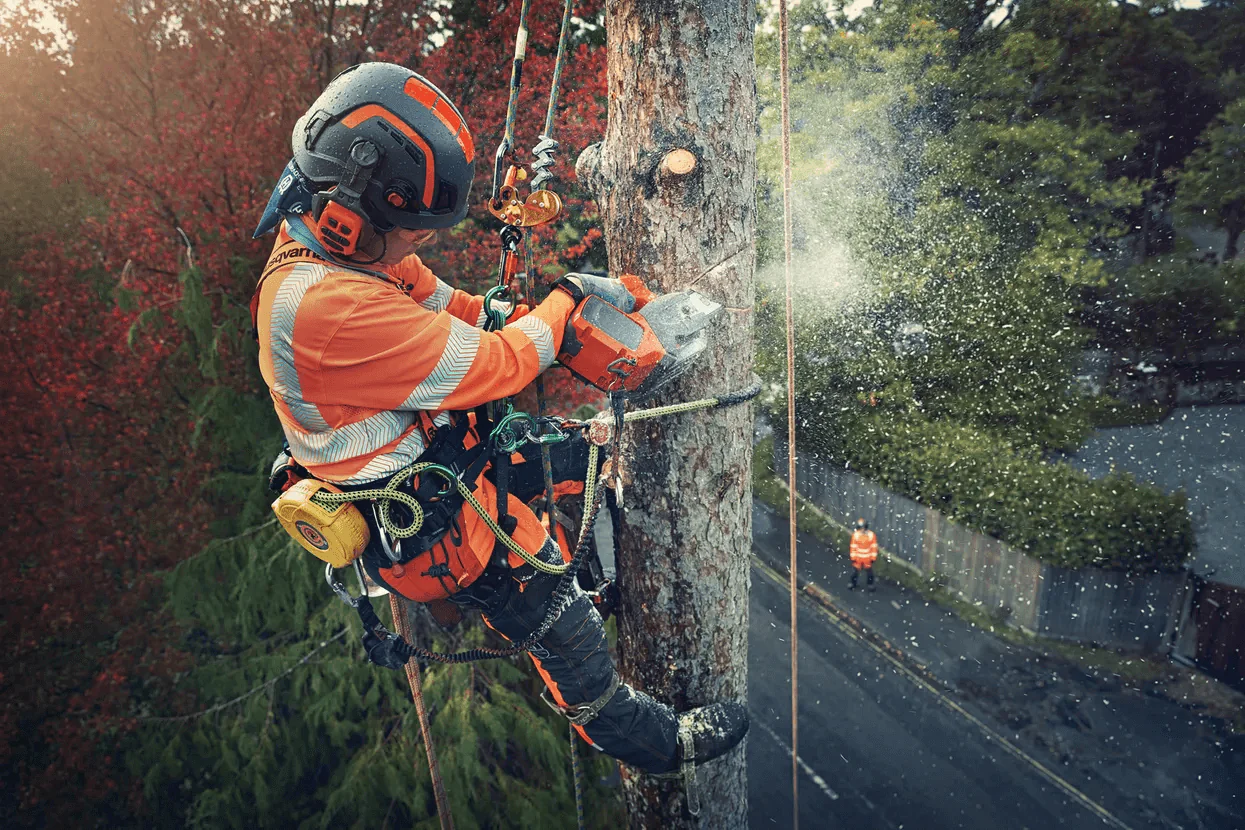
Lane County Tree Removal
Safe removal for dead, storm-damaged, leaning, crowded, or unwanted trees across Lane County properties.
Safe Tree Removal Lane County
Lane County properties range from tight residential lots to rural acreage, rentals, commercial sites, and wooded edges. Good tree removal starts with the site: how the tree is failing, what it can hit, how equipment can enter, and what the space should look like when the job is done.
Trees with dead tops, brittle limbs, trunk decay, fungal growth, or sparse canopy may need removal before failure becomes sudden.
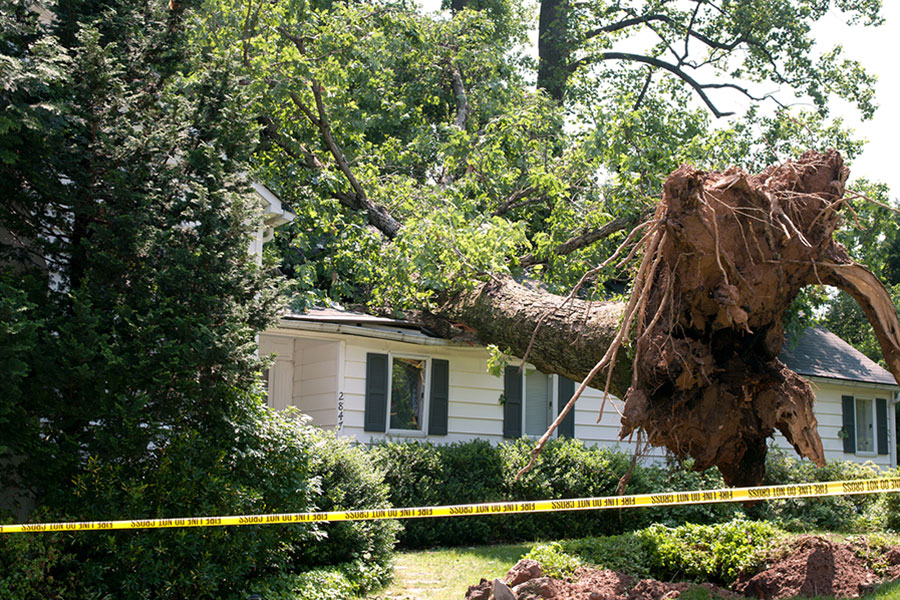
Broken tops, hanging limbs, split trunks, and uprooted trees need a careful plan before anyone works under or near the damaged canopy.
Mature conifers and hardwoods near structures, roads, fences, or utility corridors require controlled dismantling and debris planning.
Unwanted trees can be removed to restore sunlight, clear building space, improve access, or reduce future maintenance conflicts.
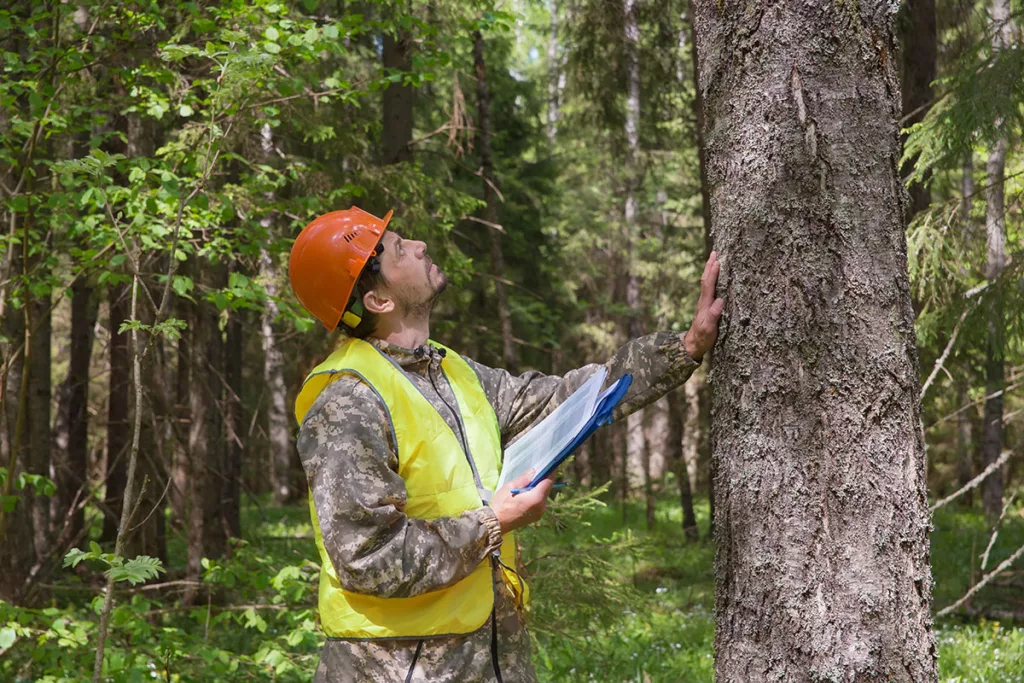
We inspect the tree, nearby targets, access, slope, wood condition, and cleanup needs.
You get a practical scope for cutting method, equipment, debris handling, stump options, and scheduling.
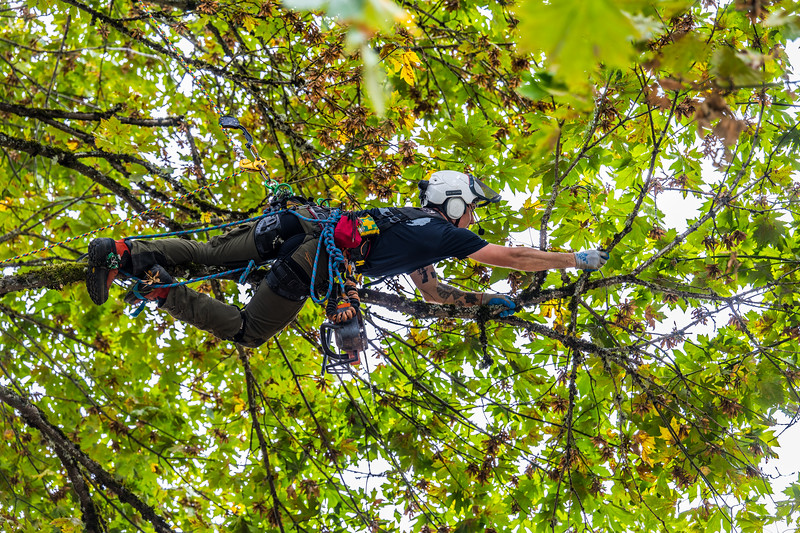
The crew removes the tree in a sequence that protects the property and keeps the work zone organized.
Branches, wood, chips, and grindings are handled based on the estimate so there are no surprises.
Height, trunk diameter, limb weight, and canopy spread all shape time, equipment, and debris volume.
Backyards, slopes, narrow gates, long carry distances, and soft ground can change the removal approach.
Dead, split, leaning, or storm-damaged trees require more control and can take longer to dismantle safely.
Hauling, chipping, wood left on-site, stump grinding, and final rake-out change the final scope.
Lane County Context
A removal near a tight Eugene lot, a rural driveway, a commercial parking area, or a wooded edge can require very different planning. The estimate should explain access, targets, cleanup, and whether stump grinding should be included.
Saturated ground and wind can increase failure risk, especially for leaning trees, root movement, and tall conifers.
Homes, fences, shops, driveways, vehicles, roads, and neighboring property all affect the safest removal method.
Narrow gates, slopes, long carries, soft lawns, and large debris volume can change equipment, timing, and cleanup.
What To Expect
You should understand why tree removal is recommended, what other options may exist, and what needs attention first.
The work should be scoped around structures, utilities, roads, driveways, fences, landscaping, vehicles, and people using the property.
Ask what happens to brush, wood, chips, stump grindings, and the work area so the final condition matches what you expect.
Lane County properties can involve tenants, customers, rural access, weather, parking, and neighbors. Those details should be part of the plan.
Lane County Service Zone
If you are not sure whether your property is in range, start with an estimate request and include the city, road, or neighborhood. We will help confirm the right next step for the tree and the site.
Pricing depends on the tree size, condition, access, hazards, cleanup, and whether stump grinding is included. A tree-specific estimate is the most accurate way to price the work.
Yes. Trees near structures, fences, driveways, sheds, and landscaping need a controlled plan based on lean, access, and available work space.
Yes. If you want the area usable again, stump grinding can be included with the removal scope or quoted as a separate service.
Warning signs include dead canopy, major lean, trunk cracks, decay, fungus, root movement, repeated limb failure, or a tree growing too close to structures, utilities, or access areas.
Yes. Large Lane County trees need a plan for height, limb weight, access, drop zone, nearby targets, and debris volume before the work is scheduled.
Yes. Storm-damaged trees may include broken tops, split trunks, hanging limbs, uprooted trees, and trees leaning after saturated soil or wind events.
The estimate should account for access, equipment placement, lawn conditions, driveways, fences, landscaping, and cleanup expectations before removal begins.
Often, yes. Wood can sometimes be left on-site, cut to a discussed size, or hauled away depending on the scope and property access.
It helps if you can explain the concern and desired outcome. In some cases, photos, access notes, and clear property details can help start the estimate conversation.
If the tree is touching or threatening power lines, stay away and contact the utility company first. Tree work near utilities needs extra caution and may require utility involvement.
Lane County Services
Compare the common next steps for tree problems like hazards, overgrowth, leftover stumps, storm damage, weak limbs, and ongoing property maintenance.

Free Estimate
Send the details and get a clear removal recommendation, cleanup plan, and no-pressure estimate.