
Visible defects
Cracks, cavities, fungal growth, dead tops, weak unions, leaning trunks, and root-zone changes.
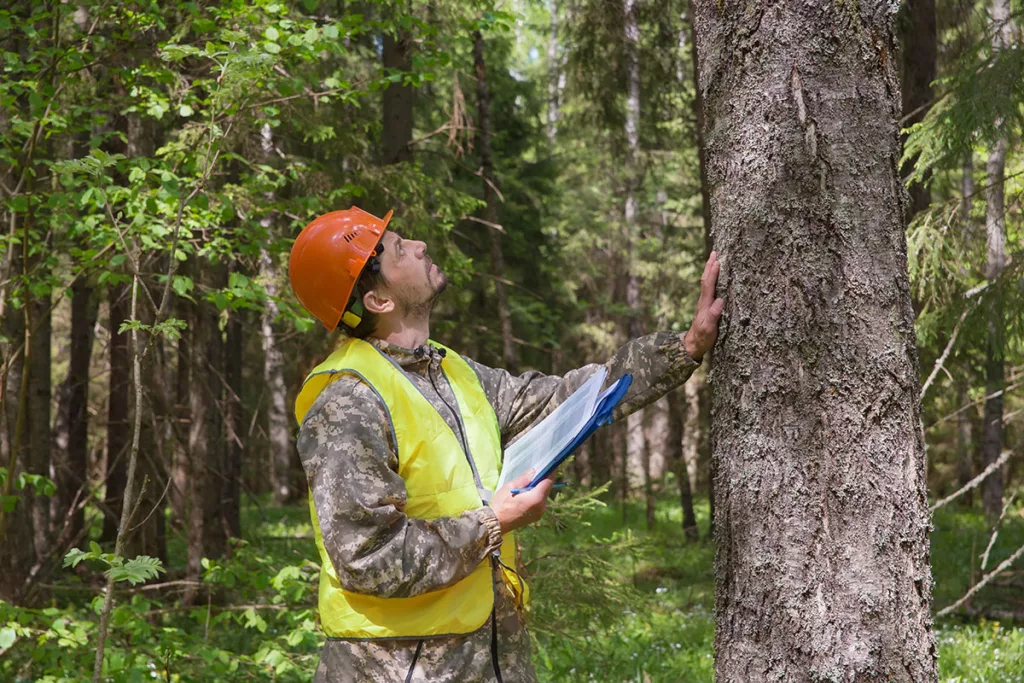
Lane County Tree Assessments
Clear recommendations for tree health, safety concerns, storm damage, preservation options, and next steps.
Tree Risk And Health Review
Lane County properties often have mature trees near homes, shared access, rentals, parking areas, and wooded edges. A tree assessment helps clarify what is urgent, what can be pruned, what should be monitored, and when removal or support deserves consideration.
Cracks, cavities, fungal growth, dead tops, weak unions, leaning trunks, and root-zone changes.
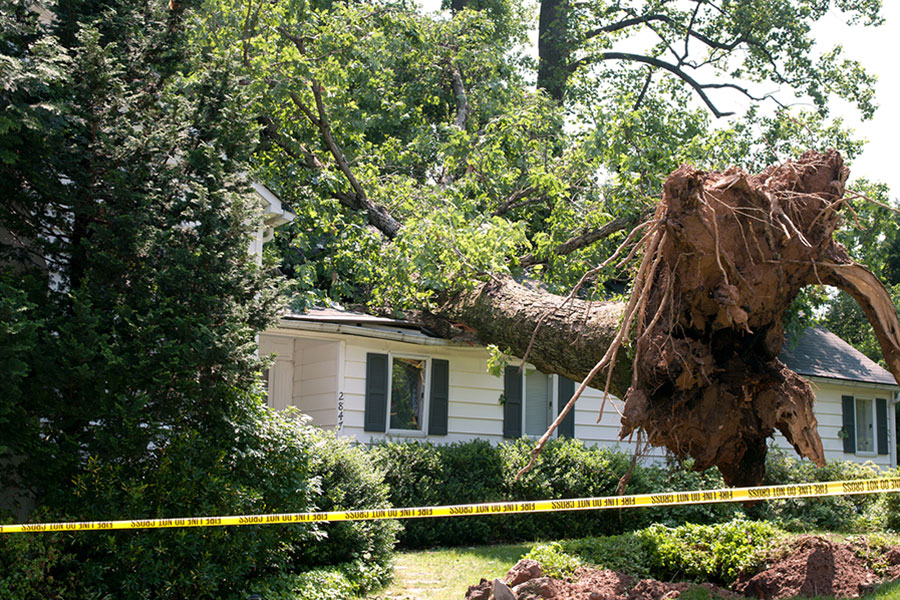
Review split limbs, broken tops, torn bark, hanging branches, and soil movement after wind or rain.
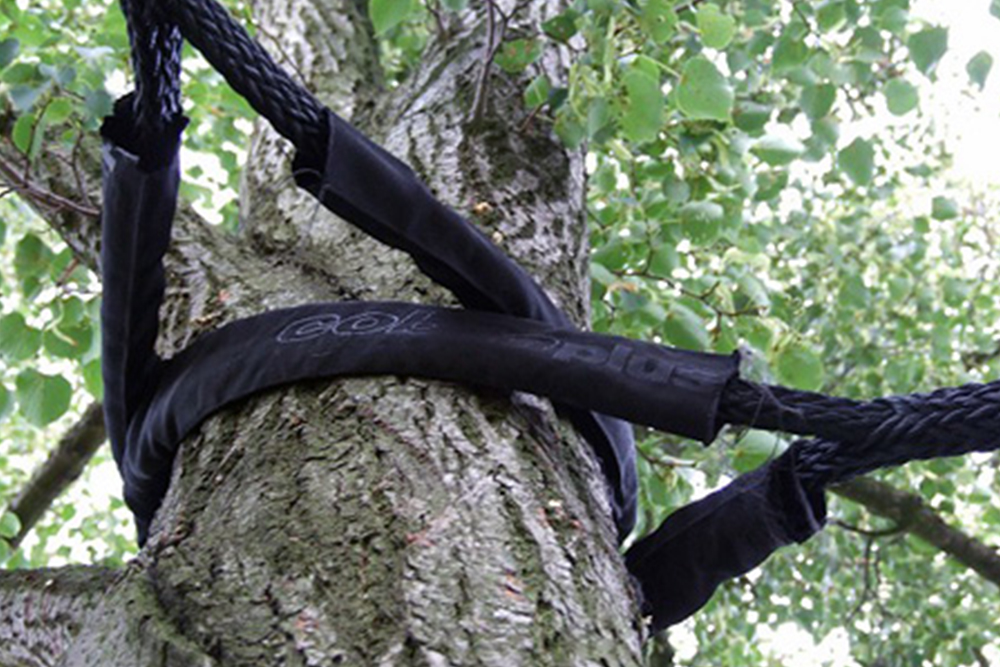
Use an assessment before pruning, removal, cabling, construction, trenching, or landscape changes.
Prioritize tree work for HOAs, rentals, apartments, campuses, retail sites, and multi-tree properties.
We start with what changed, what you are worried about, and how the property is used.
Tree condition, canopy, trunk, root zone, defects, targets, and access are reviewed.
You get a practical explanation of risk, service options, urgency, and cleanup needs if work is recommended.
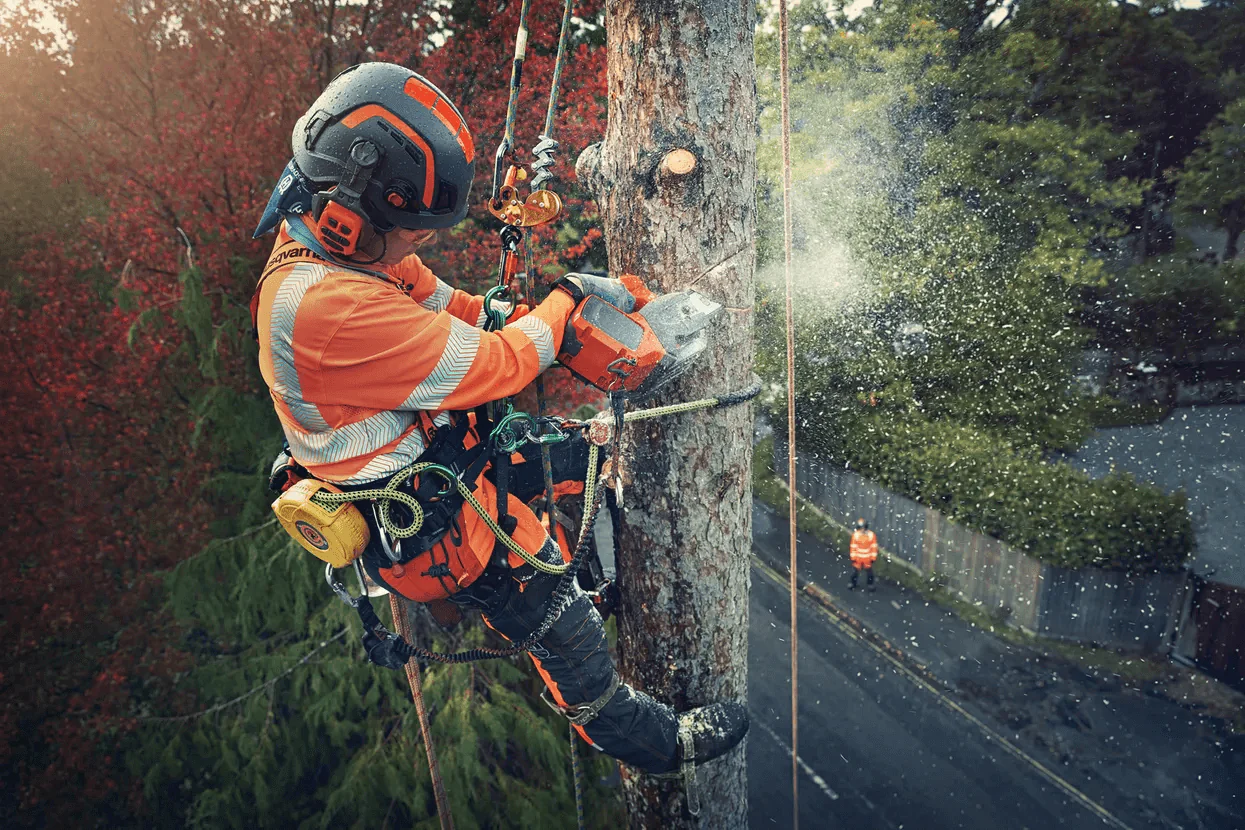
If pruning, removal, cabling, or stump work is needed, the assessment can lead into a clear scope.
A single concern is different from a multi-tree property review.
Storm damage, sudden lean, cracking, or blocked access may need faster attention.
Trees near homes, roads, parking, tenants, trails, or public areas often need clearer prioritization.
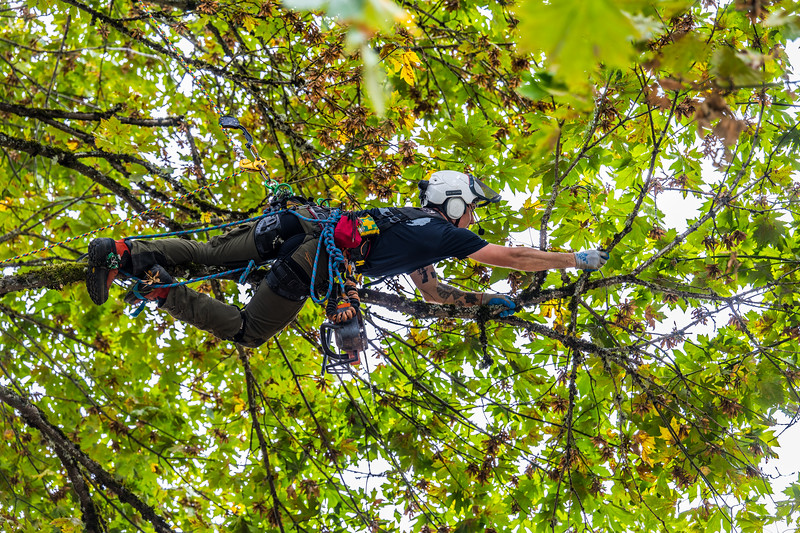
Assessment may lead to pruning, support, removal, or stump grinding recommendations.
Lane County Context
If you are unsure whether a tree needs pruning, support, removal, or monitoring, an assessment helps you avoid guessing. The goal is practical guidance based on visible defects, site use, and nearby targets.
Cracks, mushrooms, dead tops, root movement, sudden lean, storm damage, and canopy decline should be reviewed.
A tree over a driveway, rental unit, school, parking area, or home carries different consequences than a tree in an unused area.
The recommendation should explain whether to prune, remove, support, monitor, or take no immediate action.
What To Expect
You should understand why tree assessments is recommended, what other options may exist, and what needs attention first.
The work should be scoped around structures, utilities, roads, driveways, fences, landscaping, vehicles, and people using the property.
Ask what happens to brush, wood, chips, stump grindings, and the work area so the final condition matches what you expect.
Lane County properties can involve tenants, customers, rural access, weather, parking, and neighbors. Those details should be part of the plan.
Lane County Service Zone
If you are not sure whether your property is in range, start with an estimate request and include the city, road, or neighborhood. We will help confirm the right next step for the tree and the site.
Request an assessment when you notice cracks, dead canopy, fungus, sudden lean, root movement, storm damage, or a tree near a target that worries you.
Yes. The recommendation may be removal, pruning, cabling, monitoring, or no immediate action depending on condition and risk.
Yes. Assessments can help prioritize tree work for apartments, HOAs, campuses, retail sites, offices, and managed properties.
An assessment reviews visible canopy condition, trunk defects, roots, lean, cracks, decay, fungus, storm damage, nearby targets, and the concern you want answered.
Yes. Storms can leave hidden cracks, broken limbs, root movement, and unstable tops. An assessment helps decide whether pruning, removal, or monitoring is appropriate.
Yes. Multi-tree assessments can help homeowners, HOAs, rentals, campuses, and commercial sites prioritize work.
The goal is plain-language guidance: what is urgent, what can wait, whether work is needed, and what service best fits the situation.
Sometimes. If a tree can be pruned, supported, or monitored safely, an assessment can help avoid removing it too quickly.
If work is recommended, the next step can be a scope and estimate for pruning, removal, cabling, stump grinding, or cleanup.
Yes. Work near roots, grade changes, trenching, or heavy equipment can affect tree health and stability. An assessment can help plan around important trees.
Lane County Services
Compare the common next steps for tree problems like hazards, overgrowth, leftover stumps, storm damage, weak limbs, and ongoing property maintenance.

Free Estimate
Get a clear recommendation before committing to pruning, support, removal, or cleanup.