
Overgrown or crowded branches
Dense canopies, crossing limbs, and heavy end-weight can hold wind, shade the yard, and create avoidable stress on branch unions.
Tree Pruning Springfield OR
Professional tree pruning for safer branches, healthier structure, better clearance, and cleaner canopies on residential and commercial properties in Springfield, Oregon.
Professional Tree Pruning Springfield
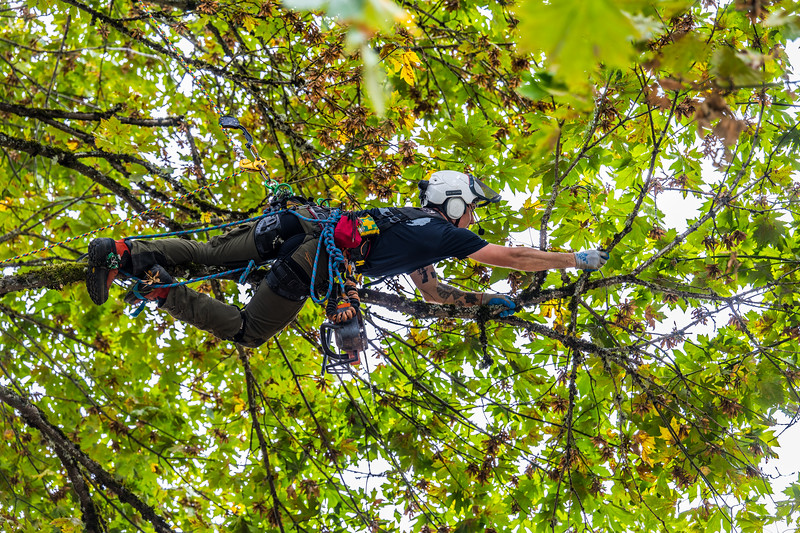
Tree pruning in Springfield is not just about cutting branches back. The right plan considers branch structure, tree species, clearance, seasonal stress, property targets, and how the canopy should grow after the work is complete.
Dense canopies, crossing limbs, and heavy end-weight can hold wind, shade the yard, and create avoidable stress on branch unions.
Dead, broken, cracked, or storm-damaged limbs should be addressed before they fall near roofs, driveways, sidewalks, and outdoor living areas.
Pruning can improve clearance around roofs, gutters, fences, roads, signs, lighting, driveways, and neighboring property.
For young, mature, or storm-stressed trees that need better branch spacing, stronger architecture, and reduced weak attachments.
Selective pruning to remove dead, broken, diseased, rubbing, or poorly attached limbs while preserving the natural canopy.
Pruning for branches over roofs, gutters, buildings, walkways, driveways, fences, signs, lights, and access areas.
Tree pruning for homes, rentals, HOAs, apartments, retail properties, offices, schools, churches, and managed properties in Springfield.
We review species, canopy density, branch attachments, deadwood, clearance needs, nearby targets, access, and cleanup expectations.
You get a clear scope for the right pruning approach, which limbs should be addressed, access needs, debris handling, and scheduling.
Branches are pruned with a focus on clean cuts, tree structure, clearance, weight distribution, and protecting the surrounding property.
Cut limbs, brush, chips, and work-zone debris are handled according to the estimate so the property is left orderly.
Storm-damaged limbs, cracked branches, hanging wood, and heavy branches over roofs or access areas can be dangerous. If branches are touching power lines, stay away and contact the utility company first.
The right pruning plan depends on the tree. Springfield properties may include large conifers, heavy-limbed hardwoods, water-seeking species, and fruit trees that respond differently to pruning.
Large evergreen pruning often involves clearance, broken limb removal, canopy balance, and avoiding excessive cuts that stress the tree.
Heavy limbs, included bark, deadwood, and wide-spreading canopies can make selective structural pruning especially valuable.
Fast growth, weak wood, and brittle limbs can require clearance pruning, deadwood removal, and careful branch reduction near targets.
Pruning can improve shape, sunlight, clearance, fruiting structure, and appearance for ornamental and backyard fruit trees.
Exact pricing depends on the tree, the pruning scope, and access. These are the factors that usually shape a tree pruning estimate.
Height, canopy spread, limb size, and branch volume affect time, equipment, and cleanup.
Trees near homes, roofs, fences, utilities, roads, or neighboring property require more careful positioning and control.
Deadwood, clearance, structural work, thinning, reduction, and storm-damaged limbs all change the amount of work.
Hauling, chipping, brush removal, and whether wood is left on-site all affect the final scope.
Pruning around homes, garages, fences, sheds, patios, driveways, gardens, and neighboring yards. The plan protects the property first.
Pruning for apartments, retail sites, offices, churches, schools, rentals, HOAs, and managed properties where clearance, visibility, safety, and curb appeal matter.
If branches are close to roofs, gutters, siding, driveways, lights, signs, or walkways, ask about clearance pruning during the estimate. It can improve access, reduce rubbing, and help the canopy fit the property better.
Tree pruning affects safety, structure, and long-term tree health. The best experience is clear, practical, and carefully planned from first look through final cleanup.
Cost depends on tree size, pruning scope, access, nearby targets, equipment needs, and debris handling. The most accurate price comes from a tree-specific estimate.
Common signs include dead limbs, crowded canopy, branches touching roofs or siding, low clearance, cracked limbs, rubbing branches, storm damage, or heavy limbs over access areas.
Yes. Proper pruning can remove dead or weak limbs, improve structure, increase airflow and light, reduce rubbing branches, and help the tree grow in a stronger direction.
Yes. Branches near roofs, gutters, siding, fences, driveways, and neighboring property need a controlled pruning plan based on access, branch size, and nearby targets.
Yes. Storm-damaged limbs, hanging branches, broken tops, and cracked branches should be assessed before work begins. If power lines are involved, stay clear and call the utility company first.
Tree trimming often refers to basic shaping or clearance. Tree pruning is more intentional and focuses on structure, health, safety, branch selection, and long-term growth.
Cleanup is part of the scope discussion. Cut limbs, brush, chips, and debris can be handled in different ways depending on what you want included in the estimate.
Yes. Large trees require more planning because height, limb weight, access, canopy structure, and nearby targets all affect the safest pruning method.
Find the right next step for your property, from urgent hazards to long-term tree care.
Get a Free Estimate
Get a clear recommendation, a careful pruning plan, and a no-pressure estimate from a local tree service focused on Springfield properties.