
Dead or declining trees
Dead limbs, sparse canopy, trunk rot, fungi, or brittle wood can make a tree unpredictable around homes, sidewalks, and parking areas.
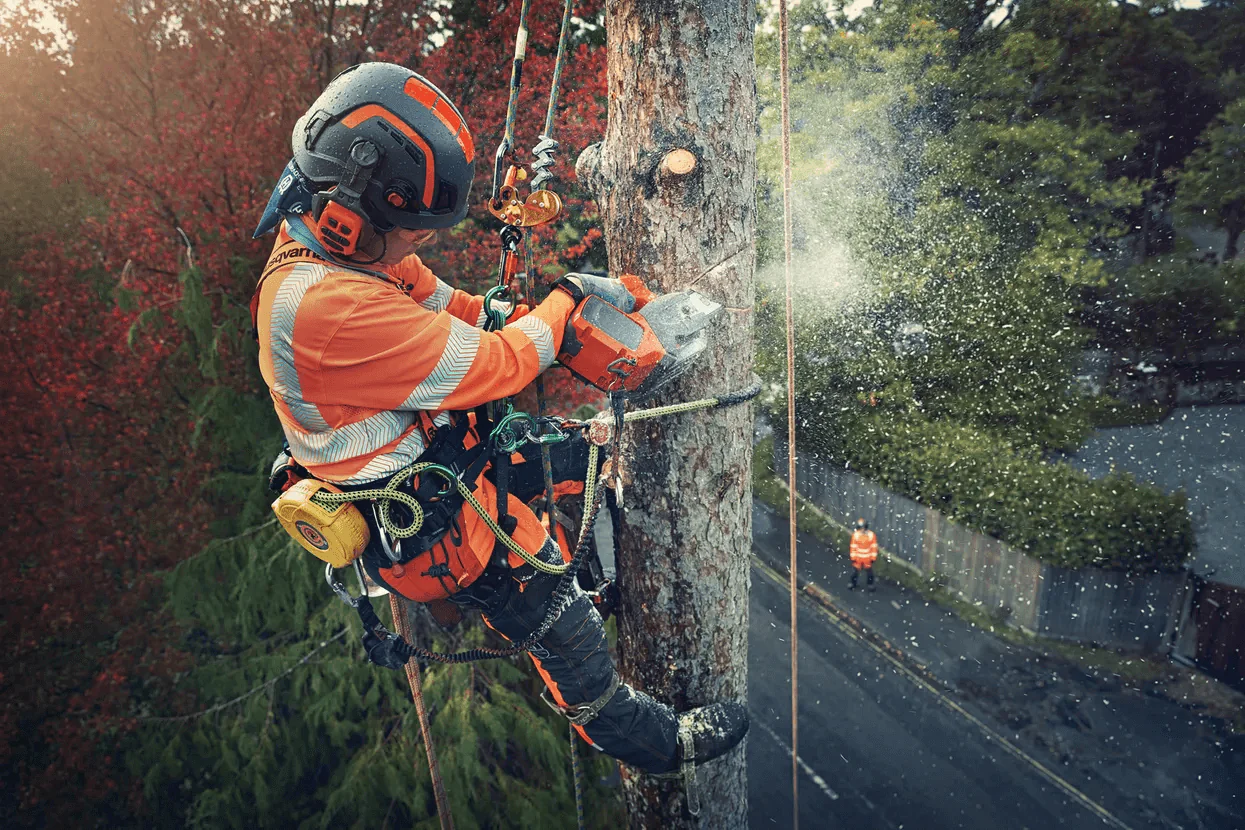
Tree Removal Springfield OR
Safe, professional tree removal for dead, hazardous, storm-damaged, leaning, or unwanted trees on residential and commercial properties in Springfield, Oregon.
Professional Tree Removal Springfield
Tree removal in Springfield is not just about getting a tree on the ground. The right company has to understand the tree, the property, the hazards, the cleanup, and what the owner needs the space to become afterward.
Dead limbs, sparse canopy, trunk rot, fungi, or brittle wood can make a tree unpredictable around homes, sidewalks, and parking areas.
Wind and heavy rain can leave hidden fractures, broken tops, and suspended limbs that should be assessed before they fail.
Trees leaning toward structures, pushing hardscape, or crowding utilities may need removal to reduce risk and restore usable space.
For unwanted, crowded, declining, or poorly placed trees where the site allows a straightforward removal plan.
For mature Douglas fir, maple, cedar, pine, spruce, and other large trees that require careful dismantling and debris planning.
For trees with lean, decay, cracks, dead tops, storm damage, root failure, or limbs over structures and access routes.
Tree removal for homes, rentals, HOAs, apartments, retail properties, offices, schools, churches, and managed properties in Springfield.
We review the tree species, size, lean, trunk condition, root zone, nearby targets, access, and cleanup expectations.
You get a clear scope for the safest removal approach, likely equipment, debris handling, stump options, and scheduling.
The tree is removed in the sequence that best protects the property, whether that means sectioning, rigging, careful felling, or specialized equipment.
Branches, logs, chips, and work-zone debris are handled according to the estimate so the property is left orderly.
Urgent tree hazards include fallen trees, trees on structures, cracked trunks, broken tops, hanging limbs, and trees blocking driveways or access. If a tree is touching a power line, stay away and contact the utility company first.
The right removal plan depends on the tree. Springfield properties may include large conifers, heavy-limbed hardwoods, water-seeking species, and fruit trees that each fail or create risk differently.
Large evergreen removals often involve height, wind exposure, heavy tops, limited drop zones, and careful cleanup planning.
Heavy limbs, decay pockets, included bark, and valuable native-tree considerations can make assessment important before removal.
Fast growth, weak wood, brittle limbs, and aggressive water-seeking roots can create hazards near structures, driveways, and drainage areas.
Overgrown, damaged, diseased, or poorly placed fruit trees may be removed for safety, landscaping, sunlight, or property improvements.
Exact pricing depends on the tree and the site, so the most useful answer comes from an estimate. These are the factors that usually shape the scope.
Height, trunk diameter, limb spread, and debris volume affect time and equipment.
Trees near homes, fences, utilities, roads, or neighboring property require more control.
Dead, cracked, decayed, or storm-damaged trees can be more hazardous to dismantle.
Hauling, chipping, wood left on-site, and stump grinding all change the scope.
Removal around homes, garages, fences, sheds, patios, pools, driveways, gardens, and neighboring yards. The plan protects the property first.
Removal for apartments, retail sites, offices, churches, schools, rentals, HOAs, and managed properties where safety, access, visibility, and liability matter.
If you want the area usable again, ask about grinding the stump after removal. It can improve appearance, reduce trip hazards, make mowing easier, and prepare the space for replanting or landscaping.
Tree removal is high-risk work. The best experience is clear, practical, and carefully planned from first look through final cleanup.
Cost depends on tree size, condition, location, access, nearby hazards, equipment needs, debris handling, and whether stump grinding is included. The most accurate price comes from a tree-specific estimate.
Warning signs include dead canopy, large dead limbs, trunk cracks, visible decay, fungus, root movement, storm damage, major lean, or branches hanging over structures and access areas.
Yes. Trees near homes, garages, fences, driveways, and landscaping need a controlled removal plan based on access, lean, tree condition, and available work space.
Yes. Emergency situations may include storm-damaged trees, fallen trees, broken tops, hanging limbs, blocked access, or trees threatening structures. If power lines are involved, stay clear and call the utility company first.
Stump grinding may be included or estimated separately depending on the scope. Ask about stump grinding if you want the area easier to mow, replant, landscape, or use after removal.
Permit needs can depend on property type, location, tree status, HOA rules, and local requirements. If permitting appears relevant, it should be reviewed before removal is scheduled.
Yes. Large trees require more planning because height, limb weight, drop zone, access, and debris volume all affect the safest removal method.
Cleanup is part of the scope discussion. Brush, logs, chips, and stump grindings can be handled in different ways depending on what you want included in the estimate.
Find the right next step for your property, from urgent hazards to long-term tree care.
Get a Free Estimate
Get a clear recommendation, a careful removal plan, and a no-pressure estimate from a local tree service focused on Springfield properties.