
Co-dominant stems or included bark
Two main stems growing tightly together can create a weak attachment that may benefit from support, reduction pruning, or monitoring.
Cabling & Bracing Springfield OR
Professional tree cabling and bracing for weak unions, split leaders, heavy limbs, storm-stressed trees, and valuable trees worth preserving on Springfield properties.
Professional Tree Support Springfield
Tree cabling and bracing in Springfield can help reduce risk in trees with weak unions, split leaders, heavy limbs, or storm stress. The goal is not to make a tree invincible. It is to support a specific structural weakness when preservation is still a reasonable option.
Two main stems growing tightly together can create a weak attachment that may benefit from support, reduction pruning, or monitoring.
Long, heavy limbs over roofs, driveways, patios, or parking areas may need support when removal of the limb would harm the tree.
Cabling and bracing can be part of a preservation plan for mature shade trees, specimen trees, and trees with sentimental or landscape value.
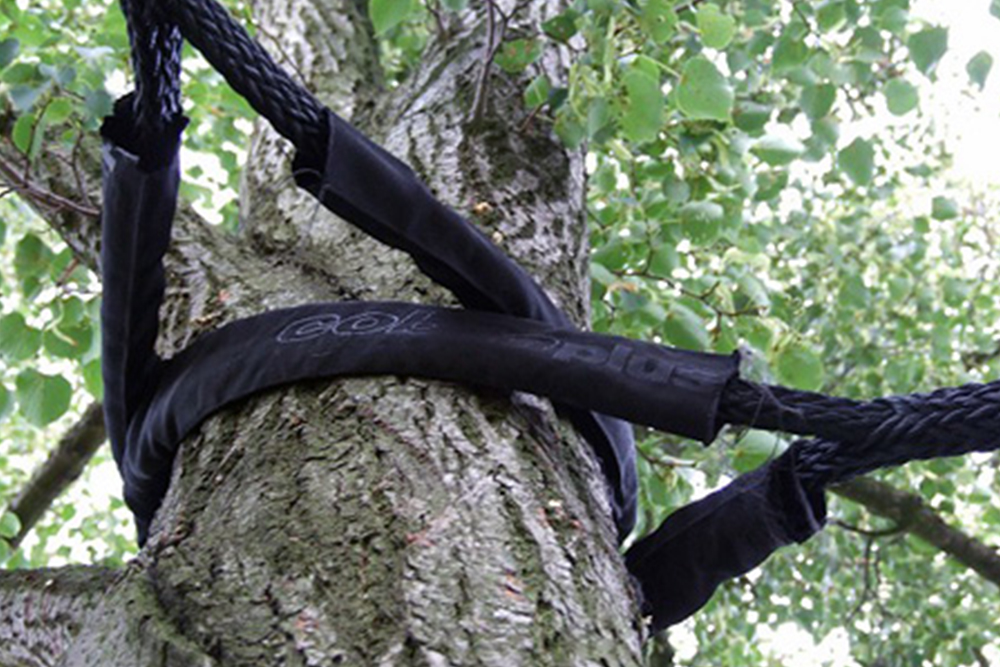
Flexible support systems installed to reduce movement and load on weak limbs, leaders, or branch unions.
Rigid support for cracks, splits, or weak points where hardware may help stabilize a specific structural defect.
Review of weak unions, cracks, lean, canopy weight, nearby targets, and whether support is appropriate.
Support systems may be paired with selective pruning to reduce end weight and improve the tree's structure.
We review species, size, weak unions, cracks, decay, canopy weight, targets, access, and whether support is a reasonable option.
You get a clear scope for cabling, bracing, pruning, monitoring, or removal if support is not the right answer.
Support hardware is installed with attention to tree structure, load direction, movement, access, and property protection.
Cabled and braced trees should be monitored over time, especially after storms, growth changes, or visible movement.
Cabling and bracing can help support a specific structural weakness, but every tree still moves, grows, ages, and responds to storms. If a tree is split, severely decayed, uprooting, or actively failing, removal may be the safer recommendation.
The right support plan depends on the tree and the defect. Cabling and bracing are most useful when the target weakness can be clearly identified and the tree is still worth preserving.
Two or more main stems can compete and create a weak attachment where movement and included bark increase failure risk.
Maple, oak, ash, and ornamental hardwoods can develop heavy limbs or broad unions that may need support and pruning.
Past storm damage, cracks, broken limbs, or visible movement may lead to a support recommendation after inspection.
Support may be considered for important trees that provide shade, screening, landscape value, or sentimental value.
Exact pricing depends on the tree, the support system, and access. These are the factors that usually shape a cabling and bracing estimate.
Height, canopy spread, support location, and limb size affect access, time, and equipment.
Trees near homes, roofs, fences, utilities, roads, or neighboring property require more careful positioning.
The number of cables, brace rods, attachment points, and pruning needs all affect the final scope.
Some trees need monitoring, follow-up inspection, or additional pruning as growth and weather change the load.
Support recommendations for trees near homes, garages, fences, patios, driveways, gardens, and outdoor living areas.
Cabling and bracing review for apartments, retail sites, offices, schools, churches, HOAs, rentals, and managed properties.
Cabling or bracing may be paired with selective pruning to reduce end weight, improve clearance, and lower stress on the supported union or limb.
Cabling and bracing affects safety, structure, and long-term tree management. The best experience is clear, practical, and carefully planned from first look through follow-up guidance.
Cabling and bracing are tree support methods used to reduce movement or reinforce a specific structural weakness, such as a weak union, split leader, or heavy limb.
Common signs include co-dominant stems, included bark, cracks, splitting limbs, heavy limbs over targets, past storm damage, or visible movement at a weak union.
No. Cabling and bracing can reduce risk for a specific defect, but no support system can guarantee a tree will never fail. Supported trees still need monitoring.
It depends on the tree, defect, targets, and level of risk. Support may be appropriate for a valuable tree, while removal may be safer for severe decay, active splitting, or major root failure.
Yes. Selective pruning is often paired with cabling or bracing to reduce weight, improve clearance, and lower stress on the supported area.
Cost depends on tree size, access, defect type, number of support points, hardware needs, pruning needs, and inspection requirements. The most accurate price comes from a tree-specific estimate.
Cabled or braced trees should be checked periodically and after major storms, visible movement, new cracking, or changes in canopy weight.
Often, yes. Large hardwoods can be candidates for support when the structure, access, and risk profile make preservation reasonable.
Find the right next step for your property, from urgent hazards to long-term tree care.
Get a Free Estimate
Get a clear recommendation, a careful support plan, and a no-pressure estimate from a local tree service focused on Springfield properties.