
Weak unions
Co-dominant stems, included bark, and narrow branch attachments may benefit from support if the tree is otherwise viable.
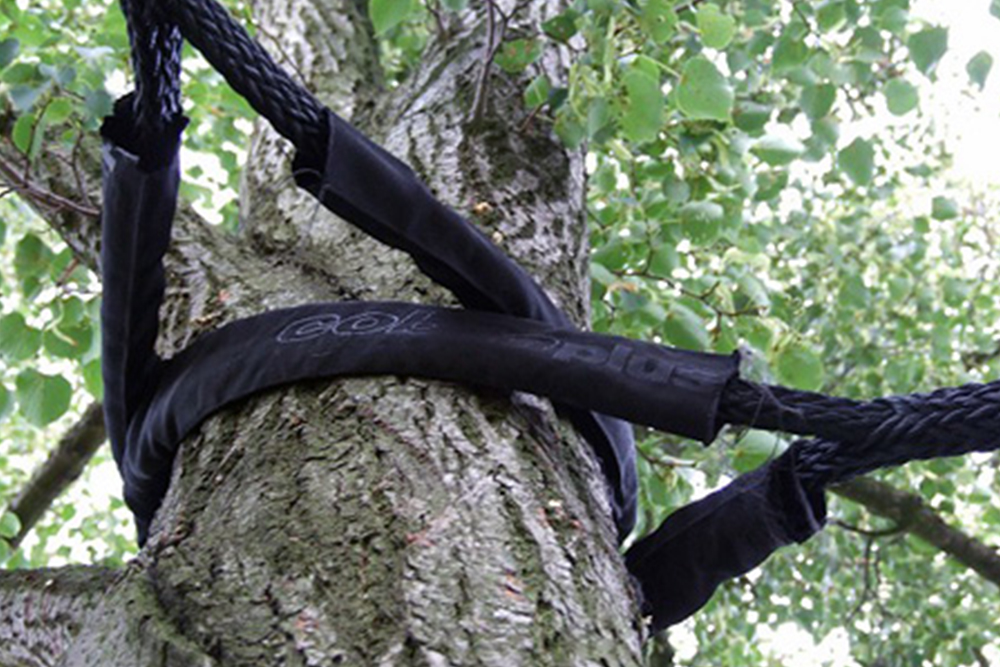
Lane County Cabling And Bracing
Support options for trees with weak unions, heavy limbs, split-prone structure, or valuable canopies worth preserving.
Tree Support Lane County
Cabling and bracing can help preserve valuable Lane County trees when structural defects are manageable. The goal is not to make a tree risk-free; it is to reduce certain movement and support weak areas when the tree is healthy enough and the targets justify preservation.
Co-dominant stems, included bark, and narrow branch attachments may benefit from support if the tree is otherwise viable.
Long, heavy limbs over usable areas can sometimes be supported as part of a broader risk-reduction plan.
Mature shade trees, prominent landscape trees, and trees with high property value may deserve a preservation review.
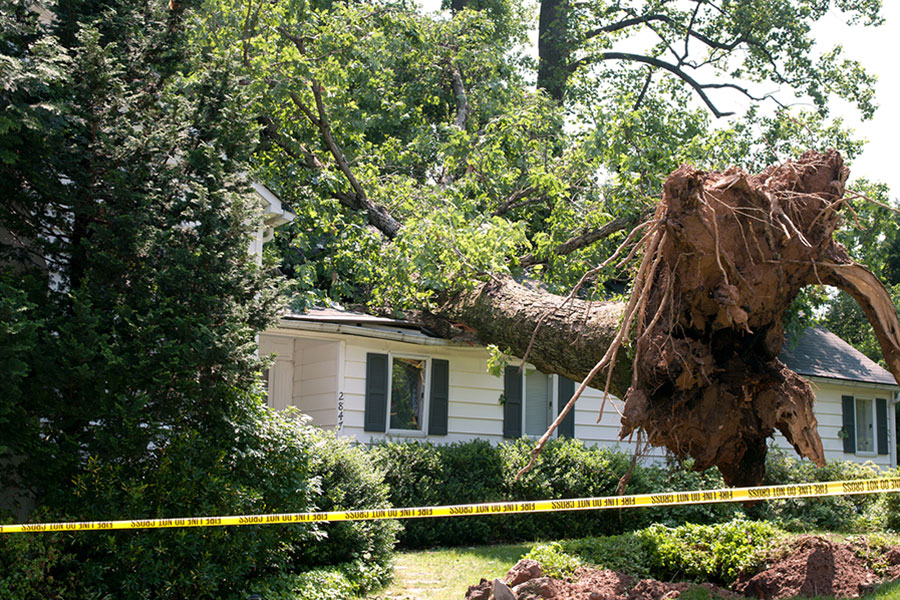
Previous limb failure or storm stress can prompt an assessment for support, pruning, or removal alternatives.
We review defects, canopy weight, targets, species, vigor, decay signs, and whether support is appropriate.
You get a clear explanation of pruning, cabling, bracing, monitoring, or removal options.
If support is recommended, hardware is installed to match the tree structure and intended support goal.
Supported trees should be inspected periodically so hardware and tree condition stay aligned.
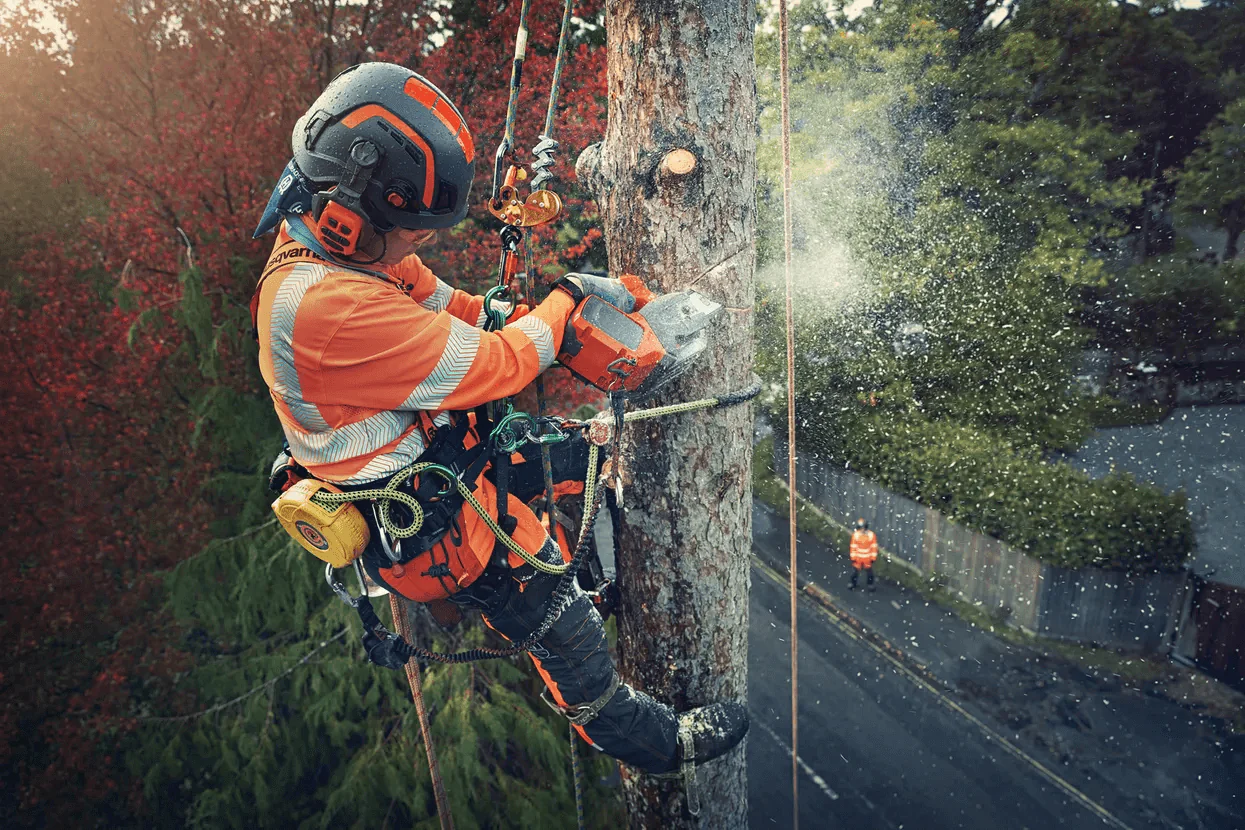
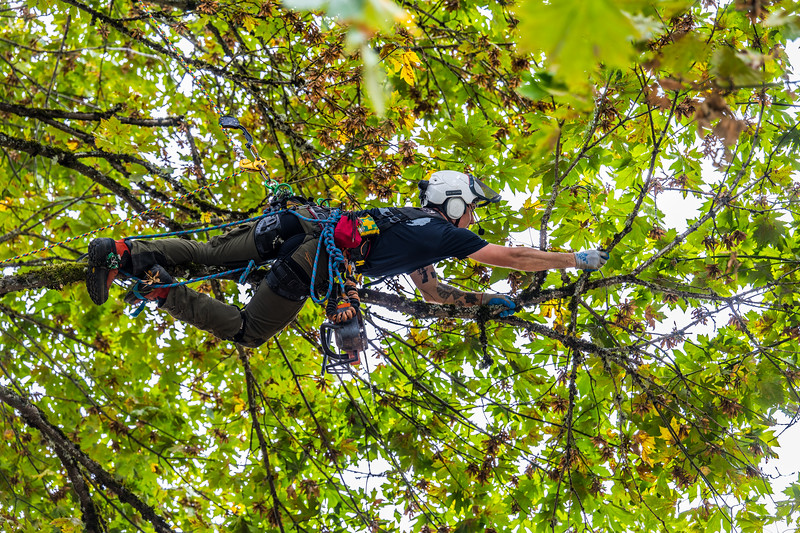
Height, canopy spread, and limb weight affect access and installation time.
Multiple weak unions or large supported limbs may require a more detailed plan.
Work over structures, slopes, fences, or tight spaces can change equipment needs.
Support may be paired with selective pruning to reduce limb weight before installation.
Lane County Context
Support systems are not for every tree. Before hardware is considered, the tree should be reviewed for defects, targets, species, vigor, decay, and whether pruning or removal would be the safer answer.
Included bark, co-dominant stems, and large lateral limbs may need support if the tree is otherwise worth preserving.
Homes, patios, parking, walkways, and tenant areas affect whether support is a reasonable risk-reduction option.
Supported trees should be rechecked over time, especially after storms or noticeable canopy changes.
What To Expect
You should understand why cabling & bracing is recommended, what other options may exist, and what needs attention first.
The work should be scoped around structures, utilities, roads, driveways, fences, landscaping, vehicles, and people using the property.
Ask what happens to brush, wood, chips, stump grindings, and the work area so the final condition matches what you expect.
Lane County properties can involve tenants, customers, rural access, weather, parking, and neighbors. Those details should be part of the plan.
Lane County Service Zone
If you are not sure whether your property is in range, start with an estimate request and include the city, road, or neighborhood. We will help confirm the right next step for the tree and the site.
No. Cabling and bracing are preservation tools for select trees. Trees with severe decay, root failure, or major instability may not be good candidates.
Often, yes. Selective pruning can reduce end weight and improve the support plan.
Supported trees should be checked periodically, especially after storms or noticeable changes in the canopy.
Possible signs include weak unions, co-dominant stems, included bark, heavy lateral limbs, cracks, or a valuable tree with structural concerns.
Only sometimes. Cabling is a preservation option for select trees. If the tree has severe decay, root failure, or major instability, removal may be safer.
No. Cabling can reduce certain movement and support weak areas, but it does not remove all risk. Supported trees still need monitoring.
Often, yes. Selective pruning may reduce limb weight and improve the effectiveness of a support system.
Longevity depends on tree growth, hardware, installation, storms, and inspections. Cabling should be checked periodically as the tree changes.
Some mature trees can be candidates, but the decision depends on condition, decay, vigor, targets, and whether the tree is worth preserving.
The recommendation may be pruning, monitoring, removal, or a different risk-reduction plan based on the tree and property.
Lane County Services
Compare the common next steps for tree problems like hazards, overgrowth, leftover stumps, storm damage, weak limbs, and ongoing property maintenance.

Free Estimate
Request an assessment to find out whether support, pruning, monitoring, or removal is the right next step.