Fallen trees
Trees across drives, yards, fences, shops, or access lanes need safe cutting and debris planning.
Harrisburg Emergency Tree Removal
Urgent help for fallen trees, broken tops, hanging limbs, blocked access, and storm-damaged trees threatening property.
Emergency Tree Removal Harrisburg
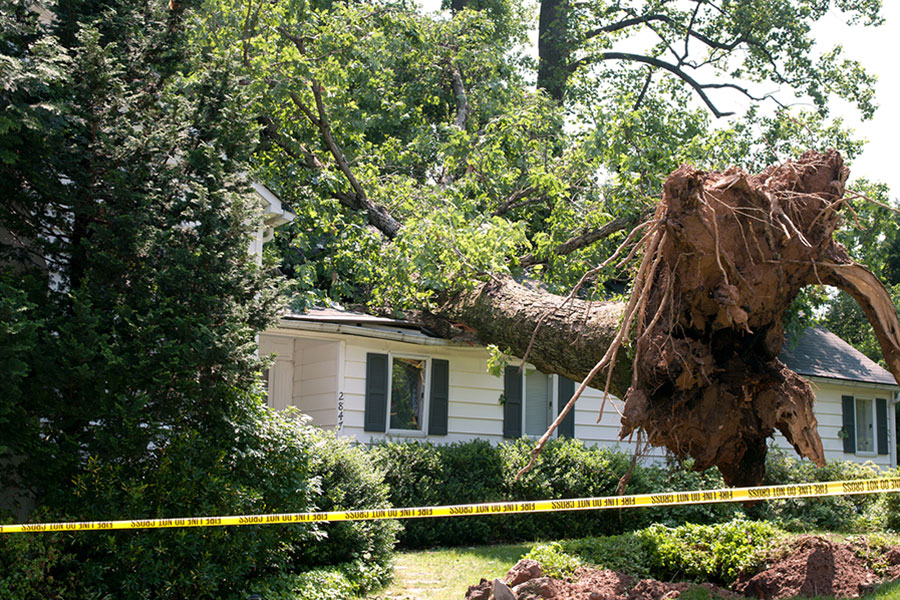
Harrisburg emergency tree work can involve wind exposure, saturated soil, blocked access, and trees resting on structures. The first step is to identify immediate hazards and keep people away from the work zone.
Trees across drives, yards, fences, shops, or access lanes need safe cutting and debris planning.
Broken limbs suspended in the canopy can move suddenly and should be handled with controlled equipment and access.
Trees on roofs, sheds, fences, vehicles, or outbuildings need a plan that avoids making the damage worse.
Brush, limbs, logs, and blocked areas can be scoped so the property becomes usable again.
We identify immediate risks, access issues, targets, utilities, and what should be avoided.
You get a clear plan for what needs attention first and what can be cleaned up afterward.
The crew removes the hazard in a planned sequence around structures and people.
Debris handling, hauling, and follow-up work are discussed before the job is finalized.
Height, trunk diameter, canopy spread, limb weight, and debris volume affect time and equipment.
long driveways, fences, barns, shops, fields, and river-adjacent soil can change staging, equipment, and cleanup.
Dead, cracked, leaning, storm-damaged, or hard-to-reach trees require more control.
Hauling, chipping, logs left on-site, stump grinding, and final cleanup all affect scope.
Harrisburg Context
Harrisburg work should reflect the tree, the site, and the local conditions around Willamette River-area properties, Highway 99E access, downtown lots, rural roads, and acreage outside town.
long driveways, fences, barns, shops, fields, and river-adjacent soil should be reviewed before scheduling so the crew can plan equipment, parking, and debris movement.
open-valley wind, wet winter ground, and trees growing near pastures or property lines can change urgency, access, and how much property protection is needed.
fir, cedar, maple, oak, alder, willow, cottonwood, and older fruit trees each respond differently to pruning, support, removal, and storm stress.
The estimate should explain what happens to brush, logs, chips, stump grindings, and the work area.
Local Planning Notes
These are the details that make a Harrisburg estimate more useful than a generic tree-care quote.
Trees near saturated ground, banks, drainage areas, and open wind exposure may need careful risk and access planning. The first priority is keeping people away from unstable limbs, split trunks, and trees resting on structures or access routes.
Wind can expose weak unions, dead tops, and trees with shallow or saturated roots. After wind or heavy rain, a tree can change quickly, especially when roots, cracks, or hanging limbs are involved.
Send photos of the whole tree, the failure point, the target it hit or may hit, and the available access from the road. Do not stand under broken limbs to take pictures.
If a tree is touching a power line or service drop, stay away from the tree and contact the utility company first before requesting tree work.
What To Expect
You should understand why emergency tree removal is recommended and what options may exist.
The work should be scoped around long driveways, fences, barns, shops, fields, and river-adjacent soil.
Ask what happens to brush, wood, chips, stump grindings, and the work area.
open-valley wind, wet winter ground, and trees growing near pastures or property lines should be considered before the job is scheduled.
Harrisburg Service Zone
Include the street, nearby cross street, or property type when requesting an estimate so the access and cleanup plan can match the site.
Emergency pricing depends on hazard level, tree position, access, weather, targets, cleanup, and whether the work needs immediate response.
Keep people away, avoid standing under broken limbs, photograph from a safe distance, and call the utility first if lines are involved.
Yes. Blocked access can be prioritized when a fallen tree or large limb prevents safe entry or exit.
Sometimes, but hanging limbs, split trunks, fresh lean, root movement, or trees resting on structures should be reviewed quickly.
Yes. The work should be planned to avoid shifting weight in a way that causes more damage.
Yes. Brush, limbs, logs, and follow-up stump work can be scoped once the immediate hazard is controlled.
Stay away and contact the utility company first. Tree work should wait until the electrical hazard is addressed.
Yes. Estimates can be planned around Willamette River-area properties, Highway 99E access, downtown lots, rural roads, and acreage outside town, with access and cleanup scoped to the actual property.
Send photos of the whole tree, the base, the nearest targets, the access route, and anything unique about long driveways, fences, barns, shops, fields, and river-adjacent soil.
Yes. Harrisburg service can include homes, rentals, farms, HOAs, small businesses, frontage, and managed sites.
Harrisburg Tree Services
Compare the related services for hazards, clearance, storm damage, stumps, tree support, assessments, and managed property care.

Free Estimate
Send the details, keep people away from the hazard, and get a clear next-step recommendation.