Visible defects
Cracks, cavities, decay, fungal growth, dead tops, or root movement should be reviewed before work decisions.
Junction City Tree Assessments
Tree risk and health guidance for visible defects, storm damage, decline, lean, root concerns, and next-step decisions.
Tree Assessments Junction City
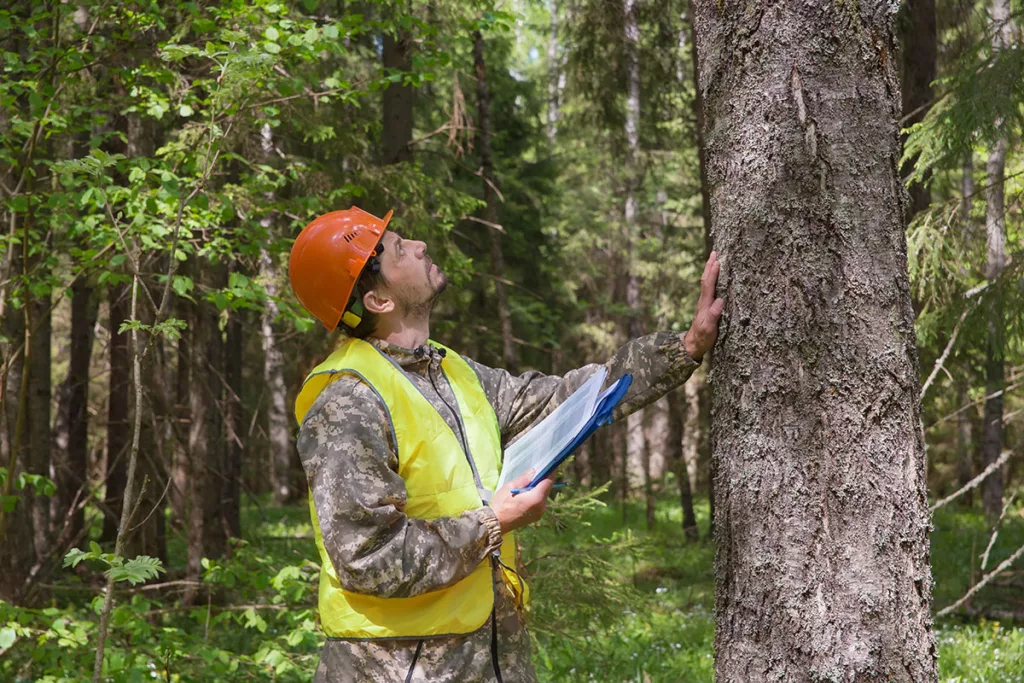
Tree assessments in Junction City are useful when a tree looks questionable but the right answer is not obvious. The goal is a clear recommendation based on condition, targets, access, and what you want from the property.
Cracks, cavities, decay, fungal growth, dead tops, or root movement should be reviewed before work decisions.
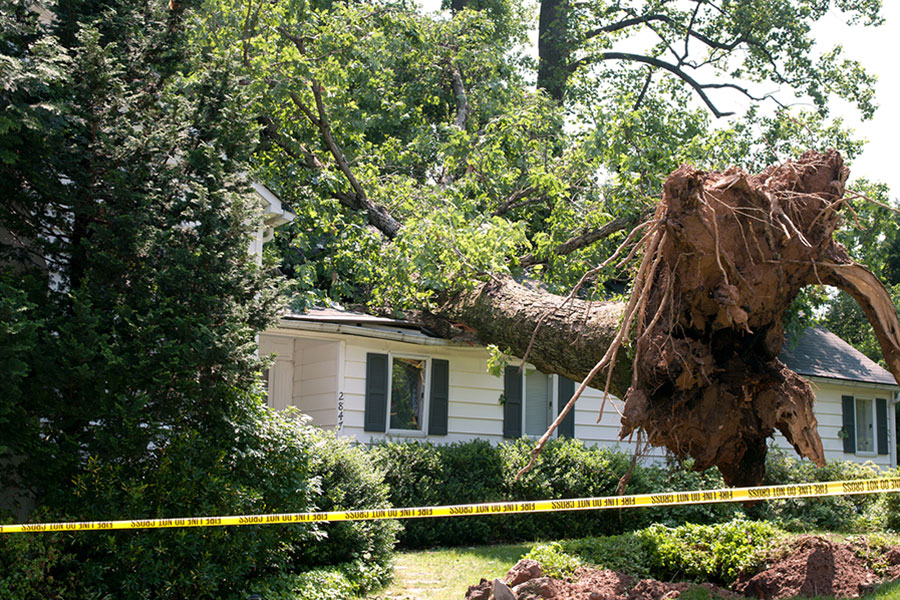
A new lean, broken top, hanging limb, or split trunk can change the risk profile quickly.
Assessments help decide whether pruning, support, removal, or monitoring makes sense.
A review can help prioritize tree work before selling, buying, building, leasing, or improving a property.
We look at condition, targets, access, soil, species, and recent changes.
You get a practical explanation of what matters and what may not be urgent.
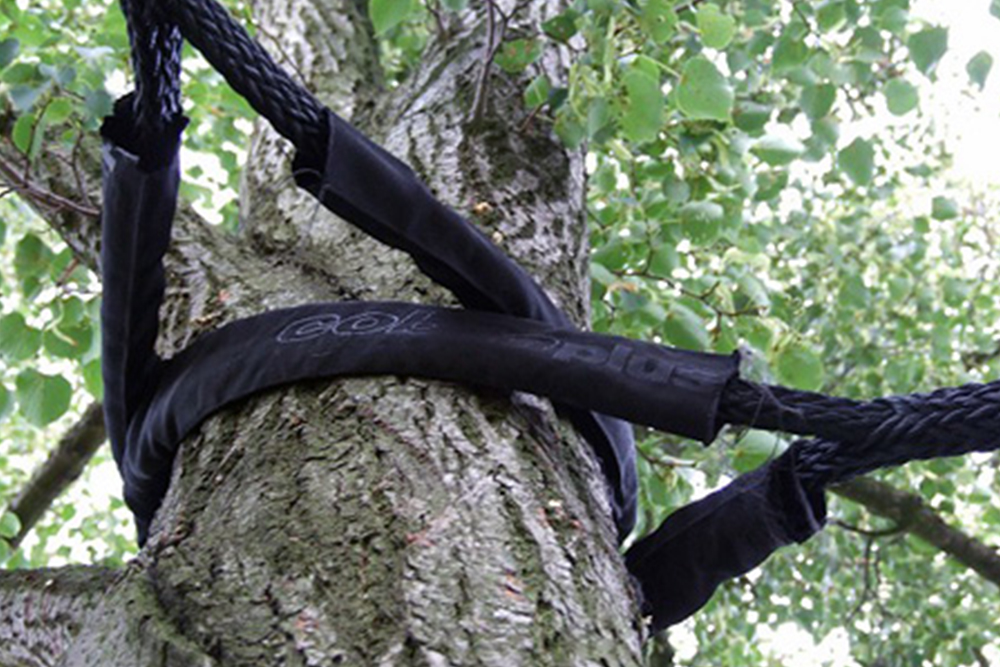
Recommendations may include pruning, removal, cabling, stump work, monitoring, or no immediate work.
If work is recommended, the estimate can focus on the correct service.
Deadwood, decay, cracks, cavities, lean, root movement, and storm damage influence the recommendation.
Homes, fences, drives, roads, shops, parking areas, and neighboring property affect urgency in Junction City.
alleys, driveways, fences, shops, parking areas, rental homes, and open-lot exposure can affect how work would be performed if action is needed.
The recommendation changes if the priority is safety, preservation, clearance, construction, or cleanup.
Junction City Context
Junction City work should reflect the tree, the site, and the local conditions around Highway 99 corridor properties, residential neighborhoods, school and business sites, rural roads, and larger lots around town.
alleys, driveways, fences, shops, parking areas, rental homes, and open-lot exposure should be reviewed before scheduling so the crew can plan equipment, parking, and debris movement.
wet-season soil, wind across open ground, and mature trees near homes and roads can change urgency, access, and how much property protection is needed.
fir, cedar, maple, oak, alder, birch, ornamental trees, and fruit trees each respond differently to pruning, support, removal, and storm stress.
The estimate should explain what happens to brush, logs, chips, stump grindings, and the work area.
Local Planning Notes
These are the details that make a Junction City estimate more useful than a generic tree-care quote.
Commercial frontage, parking areas, signs, sidewalks, and drive lanes need organized work zones and predictable cleanup. An assessment looks at defects in context: where the tree stands, what it can hit, and how the property is used.
Wind can stress tall trees, heavy limbs, and older branch unions on less sheltered properties. Recent lean, soil movement, storm damage, cracks, fungal growth, dead tops, or sudden canopy loss are all worth noting.
The recommendation may be pruning, removal, support, monitoring, stump work, or no immediate action. The point is to reduce guessing before money is spent.
Assessments are useful before buying, selling, leasing, building, clearing access, or prioritizing work across a property with multiple trees.
What To Expect
You should understand why tree assessments is recommended and what options may exist.
The work should be scoped around alleys, driveways, fences, shops, parking areas, rental homes, and open-lot exposure.
Ask what happens to brush, wood, chips, stump grindings, and the work area.
wet-season soil, wind across open ground, and mature trees near homes and roads should be considered before the job is scheduled.
Junction City Service Zone
Include the street, nearby cross street, or property type when requesting an estimate so the access and cleanup plan can match the site.
Assessment cost depends on the number of trees, site access, visible defects, urgency, and whether written recommendations are needed.
Request an assessment for new lean, cracking, cavities, fungal growth, dead tops, root movement, storm damage, or uncertainty before major work.
Yes. The recommendation may be removal, pruning, support, monitoring, stump work, or no immediate action.
Yes. Multiple trees can be prioritized by risk, clearance needs, condition, and property goals.
Yes. It can help identify visible tree concerns before a sale, purchase, lease, project, or maintenance plan.
Send the whole tree, trunk base, canopy, visible defects, nearby targets, and recent storm damage if present.
No. Some trees need pruning, monitoring, or support. Others are best removed. The assessment helps separate those options.
Yes. Estimates can be planned around Highway 99 corridor properties, residential neighborhoods, school and business sites, rural roads, and larger lots around town, with access and cleanup scoped to the actual property.
Send photos of the whole tree, the base, the nearest targets, the access route, and anything unique about alleys, driveways, fences, shops, parking areas, rental homes, and open-lot exposure.
Yes. Junction City service can include homes, rentals, farms, HOAs, small businesses, frontage, and managed sites.
Junction City Tree Services
Compare the related services for hazards, clearance, storm damage, stumps, tree support, assessments, and managed property care.

Free Estimate
Get a clear recommendation before deciding whether the tree needs work.