Weak unions
Co-dominant stems, included bark, and narrow branch attachments may need support if the tree is otherwise viable.
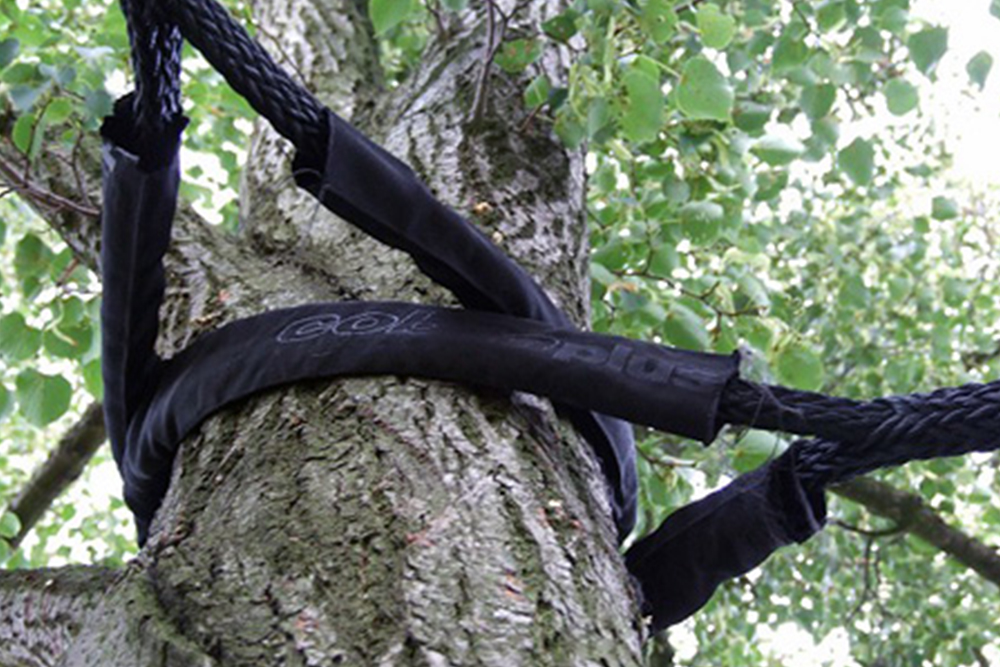
Eugene Cabling And Bracing
Support options for valuable Eugene trees with weak unions, heavy limbs, included bark, or structural concerns.
Tree Support Eugene
Cabling and bracing can help manage certain structural concerns in mature Eugene trees. The decision should start with whether the tree is healthy enough, valuable enough, and positioned in a way that makes support a practical option.
Co-dominant stems, included bark, and narrow branch attachments may need support if the tree is otherwise viable.
Long limbs over homes, parking, patios, sidewalks, or shared spaces may need weight reduction and support.
Prominent trees in yards, rentals, campuses, or commercial landscapes may be worth preserving.
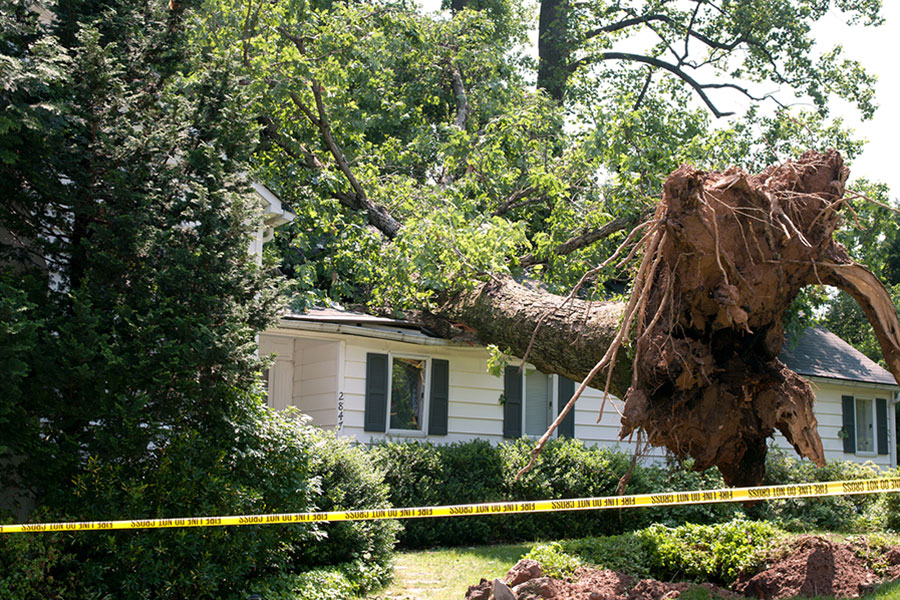
Previous limb failure or cracking may call for assessment, pruning, support, or removal.
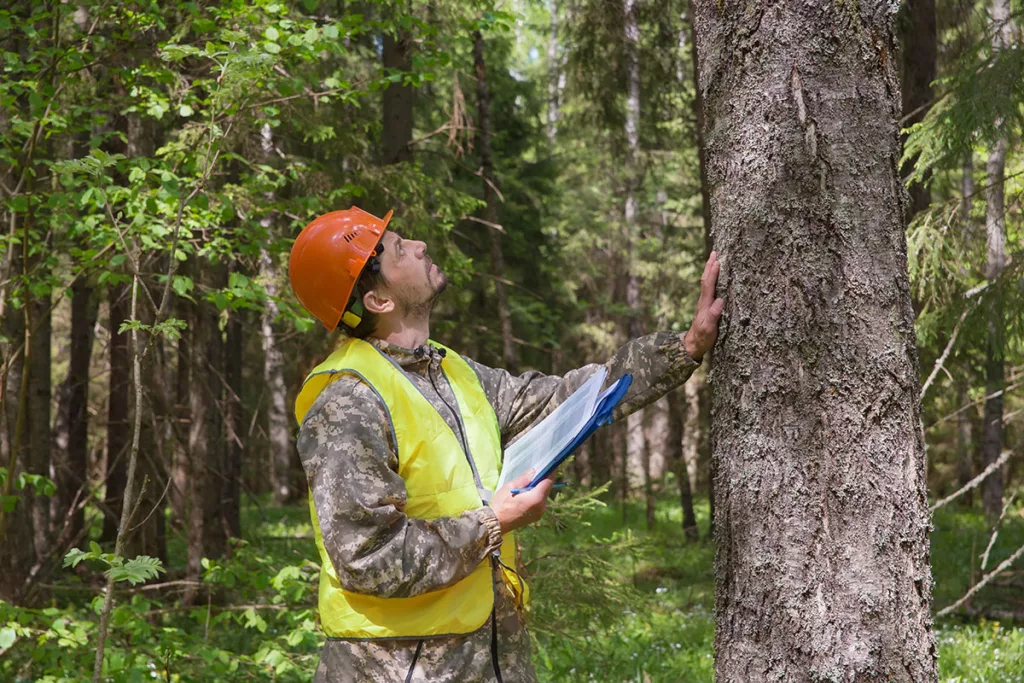
We review species, vigor, defects, targets, canopy weight, and decay signs.
You get a clear explanation of pruning, support, monitoring, or removal options.
If support is appropriate, hardware is installed to match the structure and support goal.
Supported trees should be inspected periodically as they grow and weather changes them.
Height, canopy spread, and limb weight affect access and installation.
Multiple weak unions or heavy limbs can require more planning.
Work over structures, fences, slopes, or tight spaces can change equipment needs.
Selective pruning may be paired with support to reduce limb weight.
Eugene Context
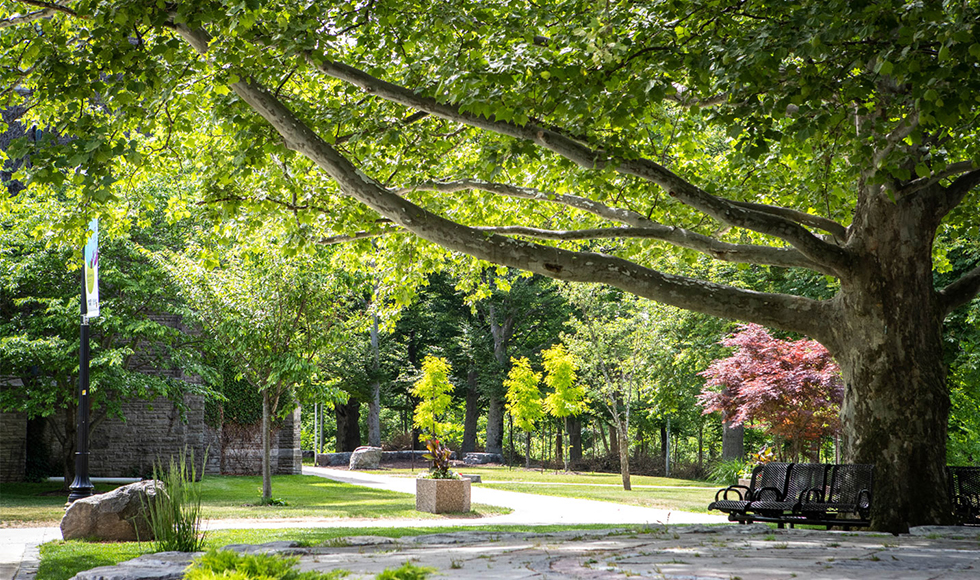
Older Eugene neighborhoods, campus-adjacent properties, and established landscapes often have large trees that provide value but develop weak unions or heavy limbs over time.
Shade, privacy, and property character can make preservation worth considering.
Homes, sidewalks, patios, tenants, and parking areas affect whether support is practical.
Wind and rain can test weak unions, so support systems need monitoring.
What To Expect
You should understand why cabling & bracing is recommended, what options may exist, and what needs attention first.
The work should be scoped around structures, utilities, roads, driveways, fences, landscaping, vehicles, and people using the property.
Ask what happens to brush, wood, chips, stump grindings, and the work area so the final condition matches what you expect.
Tenants, parking, slope, narrow access, mature landscaping, and busy streets should be part of the plan before work starts.
Eugene Service Zone
If you are not sure whether your Eugene property is in range, include the neighborhood, street, or nearby landmark when requesting an estimate.
No. Cabling and bracing are preservation tools for select trees. Severe decay, root failure, or major instability may make removal safer.
Possible signs include weak unions, included bark, heavy limbs, cracks, or a valuable tree with structural concerns.
Only when the tree is a good candidate. An assessment should compare pruning, support, monitoring, and removal.
No. It can reduce certain movement and support weak areas, but it does not remove all risk.
Yes. Pruning may reduce limb weight and improve the support plan.
Supported trees should be checked periodically and after storms or noticeable canopy changes.
Some can. The decision depends on condition, decay, vigor, targets, and preservation value.
The recommendation may be pruning, monitoring, removal, or another risk-reduction plan.
Proper support systems are designed to reduce damage while providing support, but installation should be based on a real assessment.
Yes. Support may be considered for valuable trees on campuses, apartments, HOAs, and commercial landscapes.
Eugene Tree Services
Compare common next steps for hazards, overgrowth, leftover stumps, storm damage, weak limbs, and managed property maintenance.

Free Estimate
Request an assessment to learn whether support, pruning, monitoring, or removal fits the tree.