Branches touching structures
Prune away from roofs, gutters, siding, windows, fences, driveways, signs, and walkways.
Eugene Tree Pruning
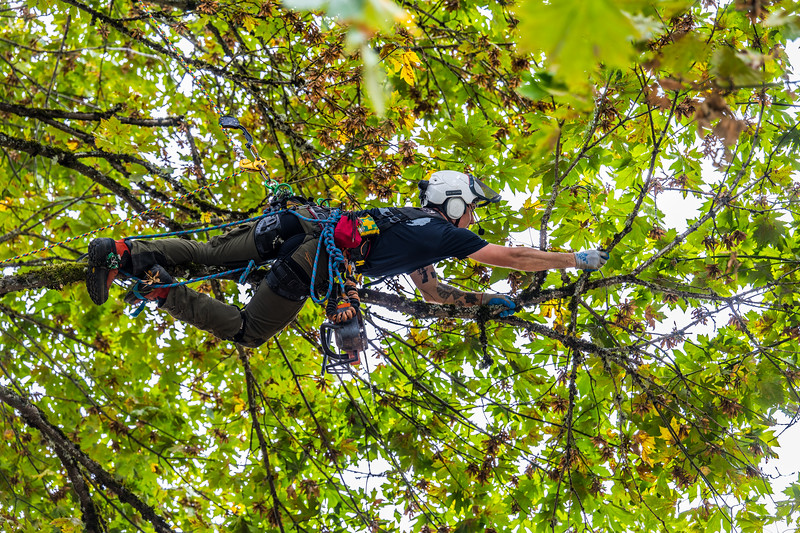
Pruning for clearance, deadwood, structure, storm damage, sunlight, and safer canopy growth on Eugene properties.
Tree Care Eugene
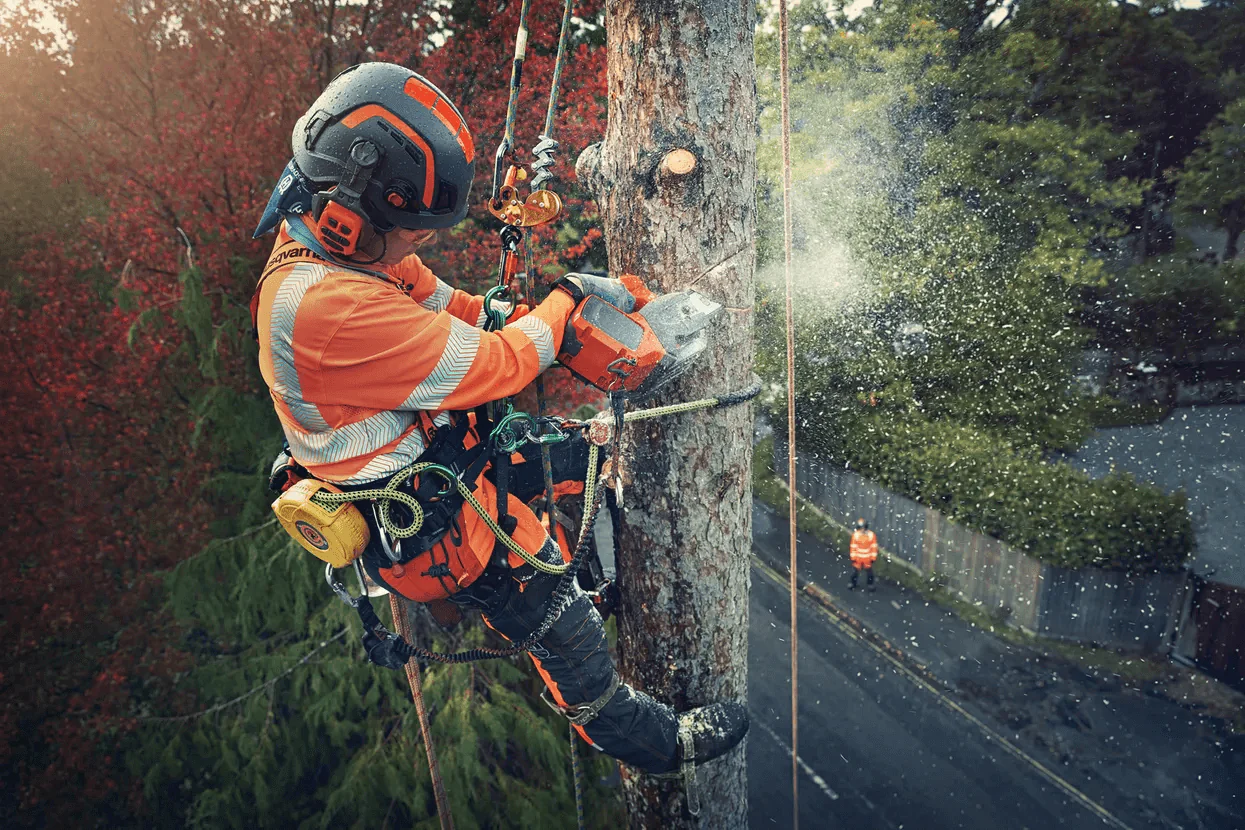
Eugene trees often grow close to roofs, bike paths, sidewalks, rental homes, campus properties, and commercial entrances. Good pruning improves clearance and safety while protecting the tree's structure and long-term health.
Prune away from roofs, gutters, siding, windows, fences, driveways, signs, and walkways.
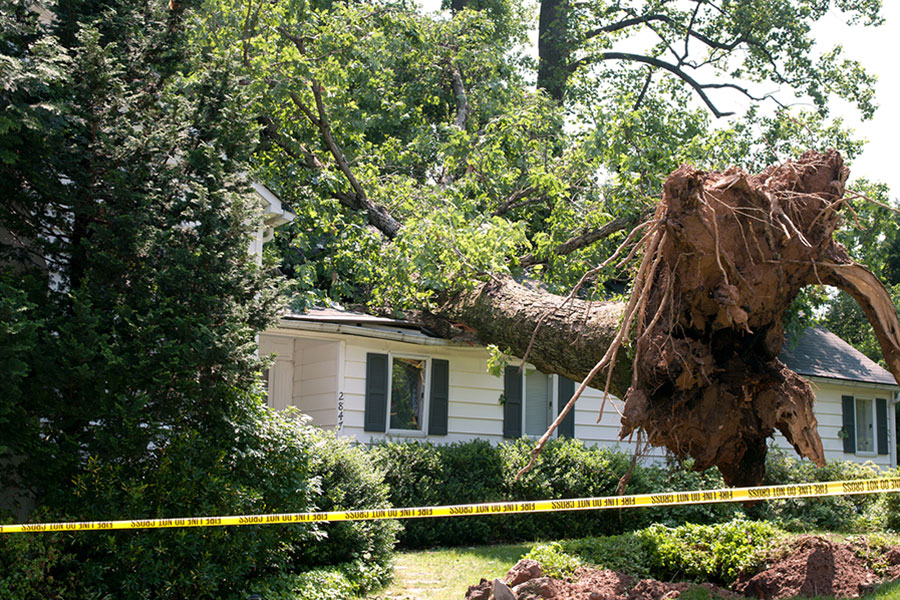
Remove deadwood and storm-damaged branches before they fall into yards, parking areas, or shared spaces.
Reduce selected limb weight where long branches stretch over roofs, patios, driveways, or tenant areas.
Early structural pruning can help reduce future weak unions, crowded limbs, and awkward branch spacing.
We start with the clearance, safety, appearance, or health concern you want solved.
The tree's species, structure, deadwood, limb weight, and defects guide the pruning scope.
Cuts are made to solve the issue while avoiding unnecessary canopy loss.
Branches and debris are handled according to the estimate.
Height, spread, density, and branch diameter affect time and equipment.
Work near roofs, signs, roads, sidewalks, or utilities can require more control.
Deadwood, clearance, structural pruning, and storm cleanup vary in complexity.
Chipping, hauling, or leaving wood on-site affects cleanup time.
Eugene Context
Neighborhoods like Friendly, College Hill, Amazon, River Road, Santa Clara, and Harlow include mature trees that provide shade but also create roof, sidewalk, driveway, and storm-clearance concerns.
Healthy canopy matters in Eugene neighborhoods, so pruning should be targeted instead of excessive.
Branches near sidewalks, driveways, signs, and parking areas need practical clearance for daily use.
Deadwood and heavy limbs should be reviewed before wet-season wind turns them into hazards.
What To Expect
You should understand why tree pruning is recommended, what options may exist, and what needs attention first.
The work should be scoped around structures, utilities, roads, driveways, fences, landscaping, vehicles, and people using the property.
Ask what happens to brush, wood, chips, stump grindings, and the work area so the final condition matches what you expect.
Tenants, parking, slope, narrow access, mature landscaping, and busy streets should be part of the plan before work starts.
Eugene Service Zone
If you are not sure whether your Eugene property is in range, include the neighborhood, street, or nearby landmark when requesting an estimate.
It depends on species, age, growth rate, defects, and property use. Mature trees usually need targeted maintenance rather than frequent heavy pruning.
Pruning can remove deadwood, reduce selected limb weight, and improve clearance. It cannot storm-proof a tree, but it can reduce avoidable hazards.
Topping is usually harmful. Better options may include selective reduction, structural pruning, or a removal discussion if the tree cannot be managed safely.
Yes. Clearance pruning can move limbs away from roofs, gutters, siding, and chimneys while preserving healthy structure.
Yes. Clearance can be planned around walkways, parking, driveways, signs, and areas people use every day.
Deadwood removal targets dead, broken, or hanging branches that can fall during wind, rain, or normal property use.
Selective pruning may improve light, but the scope should avoid over-thinning or stripping the canopy.
Pruning may reduce selected limb weight, but lean can also indicate structural or root issues. An assessment may be needed.
Cleanup should be included in the estimate. Branches may be chipped, hauled, or handled as discussed.
Yes. Fruit tree pruning can improve manageability, structure, clearance, and deadwood issues.
Eugene Tree Services
Compare common next steps for hazards, overgrowth, leftover stumps, storm damage, weak limbs, and managed property maintenance.

Free Estimate
Get a clear pruning scope for clearance, safety, cleanup, and canopy health.