
Weak unions
Codominant stems or tight branch unions may need review when valuable canopy hangs over targets.
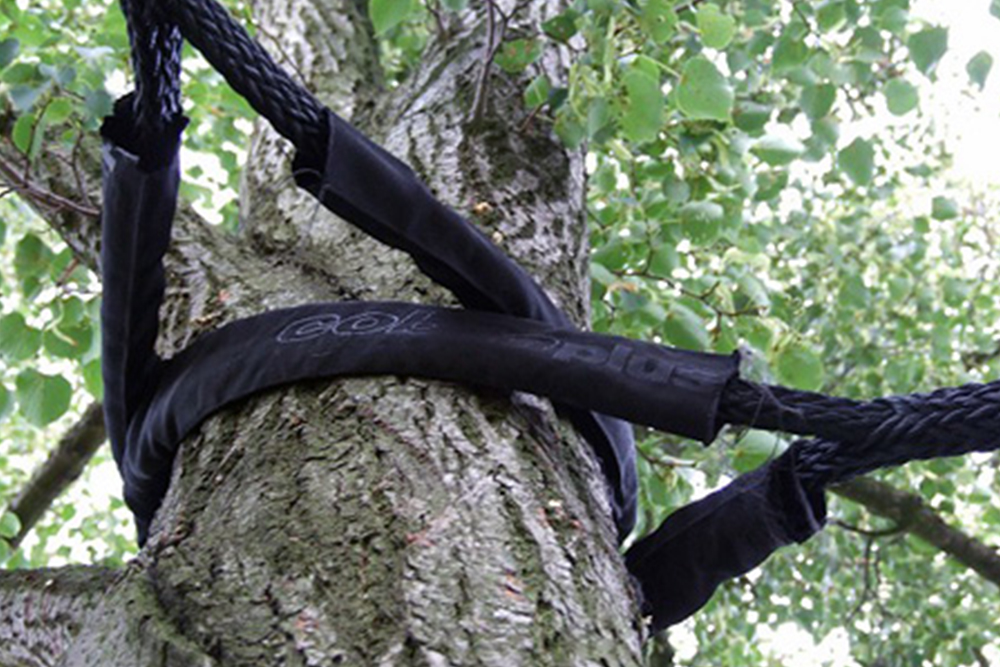
Irving Cabling & Bracing
Support options for selected trees with weak unions, heavy limbs, split-prone structure, or valuable canopy worth preserving.
Cabling & Bracing Irving
Cabling and bracing in Irving should start with a practical tree assessment. The tree needs enough health, structure, and value to justify support instead of pruning or removal.
Codominant stems or tight branch unions may need review when valuable canopy hangs over targets.
Large limbs over homes, yards, drives, or business areas may need pruning, support, or both.
Support can be considered for shade, screening, property character, or valuable mature trees.
Supported trees should be checked over time, especially after storms or major canopy changes.
We look at tree health, defects, targets, species, canopy weight, and whether support is realistic.
You get a clear explanation of support, pruning, removal, or monitoring options.
If support is appropriate, the hardware and placement are planned around tree structure.
Supported trees should be monitored so future changes are not missed.
Height, trunk diameter, canopy spread, limb weight, and debris volume affect time and equipment.
farm drives, fences, shops, barns, rental homes, irrigation areas, rural roads, and larger yards can change staging, equipment, and cleanup.
Dead, cracked, leaning, storm-damaged, or hard-to-reach trees require more control.
Hauling, chipping, logs left on-site, stump grinding, and final cleanup all affect scope.
Irving Context
Irving work should reflect the tree, the site, and the local conditions around Irving Road area properties, rural north Eugene edges, farm parcels, larger residential lots, and managed sites.
farm drives, fences, shops, barns, rental homes, irrigation areas, rural roads, and larger yards should be reviewed before scheduling so the crew can plan equipment, parking, and debris movement.
open-valley wind, wet winter ground, and trees exposed along fields, roads, and property lines can change urgency, access, and how much property protection is needed.
fir, cedar, oak, maple, alder, cottonwood, willow, orchard trees, and ornamental shade trees each respond differently to pruning, support, removal, and storm stress.
The estimate should explain what happens to brush, logs, chips, stump grindings, and the work area.
Local Planning Notes
These are the details that make a Irving estimate more useful than a generic tree-care quote.
Mature shade trees near homes, driveways, gardens, and outbuildings can require careful pruning or removal. A support recommendation should consider whether the tree is healthy enough to preserve and what would be damaged if the weak union failed.
Wind across fields can increase limb breakage and expose weak trees after wet weather. Support hardware is not a cure; the tree still needs periodic review after storms and future growth.
Some Irving trees need weight reduction or deadwood removal instead of cabling. Others are too compromised and should be removed rather than supported.
Supported trees should be revisited over time so hardware, canopy weight, cracks, and branch unions do not go ignored.
What To Expect
You should understand why cabling & bracing is recommended and what options may exist.
The work should be scoped around farm drives, fences, shops, barns, rental homes, irrigation areas, rural roads, and larger yards.
Ask what happens to brush, wood, chips, stump grindings, and the work area.
open-valley wind, wet winter ground, and trees exposed along fields, roads, and property lines should be considered before the job is scheduled.
Irving Service Zone
Include the street, nearby cross street, or property type when requesting an estimate so the access and cleanup plan can match the site.
Cost depends on tree size, defect type, canopy weight, hardware needs, access, pruning needs, and whether follow-up monitoring is recommended.
Support may make sense when the tree is healthy, valuable, structurally supportable, and the risk can be reduced with hardware and pruning.
No. Cabling reduces movement in selected situations, but supported trees still need monitoring as they grow and weather changes.
Yes. Weight reduction and deadwood removal are often considered with support so the hardware is not asked to do all the work.
Trees with major decay, severe root problems, active splitting, or poor health may be better candidates for removal.
Supported trees should be reviewed periodically and after major storms or noticeable canopy changes.
Yes. A practical assessment should come before any support recommendation.
Yes. Estimates can be planned around Irving Road area properties, rural north Eugene edges, farm parcels, larger residential lots, and managed sites, with access and cleanup scoped to the actual property.
Send photos of the whole tree, the base, the nearest targets, the access route, and anything unique about farm drives, fences, shops, barns, rental homes, irrigation areas, rural roads, and larger yards.
Yes. Irving service can include homes, rentals, farms, HOAs, small businesses, frontage, and managed sites.
Irving Tree Services
Compare the related services for hazards, clearance, storm damage, stumps, tree support, assessments, and managed property care.

Free Estimate
Ask for a clear recommendation before deciding whether to support, prune, or remove the tree.