Roof and structure clearance
Branches can be cleared away from roofs, gutters, siding, shops, sheds, and fences while preserving healthy growth.
Irving Tree Pruning
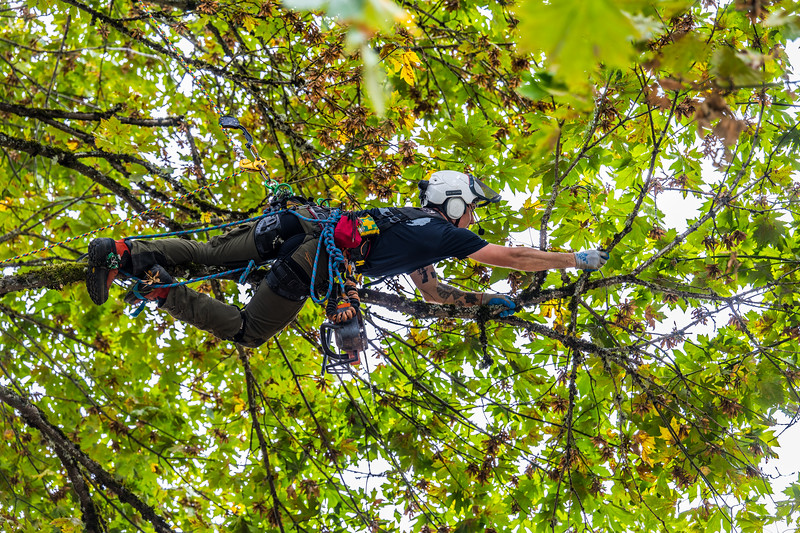
Pruning for clearance, deadwood, branch weight, structure, storm prep, and healthier canopy growth on Irving area homes, farms, rural roads, and north Eugene edge properties.
Tree Pruning Irving
Irving pruning should be planned around the tree species, season, targets, access, and the reason for the cut. The goal is safer clearance and better structure, not topping or unnecessary canopy loss.
Branches can be cleared away from roofs, gutters, siding, shops, sheds, and fences while preserving healthy growth.
Dead, cracked, rubbing, or storm-weakened limbs can be removed before they fall into access areas.
Heavy limbs over driveways, yards, roads, or buildings may need selective pruning to reduce stress.
Thoughtful pruning can improve airflow, light, structure, and long-term tree care without harsh cuts.
We look at species, limb weight, defects, clearance goals, and whether pruning is enough.
You get a clear plan for cuts, access, cleanup, and what should be left alone.
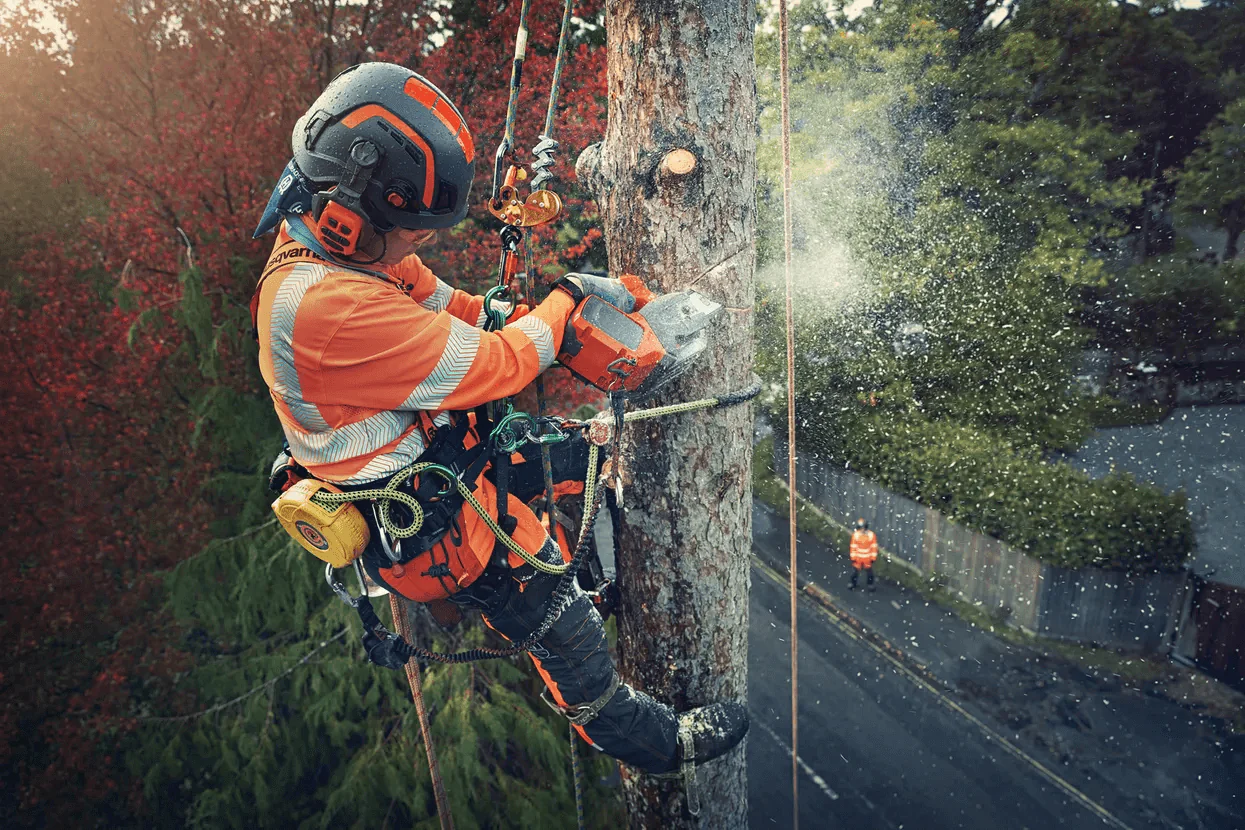
The crew removes the right limbs for clearance, safety, and structure.
Brush and debris are handled based on the estimate so the space is usable afterward.
Height, trunk diameter, canopy spread, limb weight, and debris volume affect time and equipment.
farm drives, fences, shops, barns, rental homes, irrigation areas, rural roads, and larger yards can change staging, equipment, and cleanup.
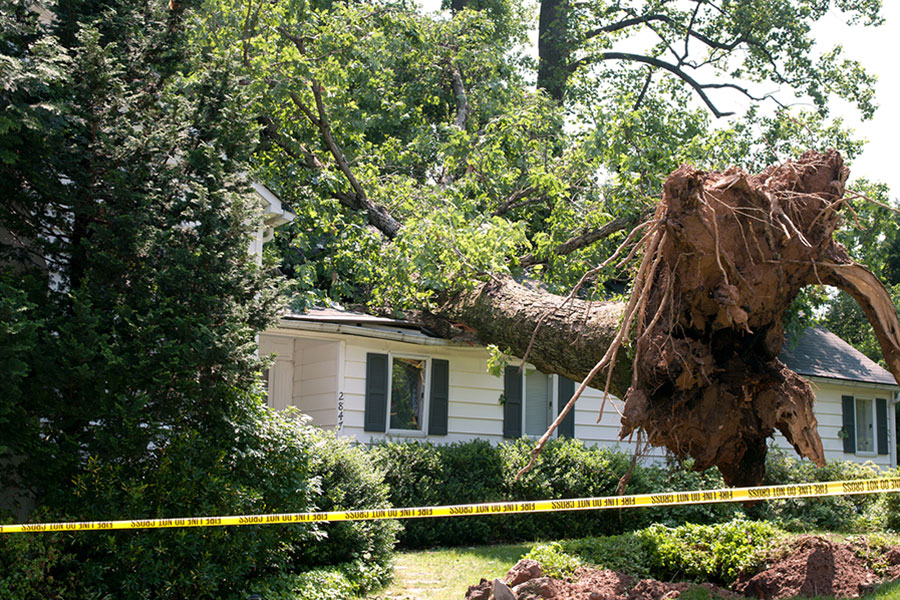
Dead, cracked, leaning, storm-damaged, or hard-to-reach trees require more control.
Hauling, chipping, logs left on-site, stump grinding, and final cleanup all affect scope.
Irving Context
Irving work should reflect the tree, the site, and the local conditions around Irving Road area properties, rural north Eugene edges, farm parcels, larger residential lots, and managed sites.
farm drives, fences, shops, barns, rental homes, irrigation areas, rural roads, and larger yards should be reviewed before scheduling so the crew can plan equipment, parking, and debris movement.
open-valley wind, wet winter ground, and trees exposed along fields, roads, and property lines can change urgency, access, and how much property protection is needed.
fir, cedar, oak, maple, alder, cottonwood, willow, orchard trees, and ornamental shade trees each respond differently to pruning, support, removal, and storm stress.
The estimate should explain what happens to brush, logs, chips, stump grindings, and the work area.
Local Planning Notes
These are the details that make a Irving estimate more useful than a generic tree-care quote.
Mature shade trees near homes, driveways, gardens, and outbuildings can require careful pruning or removal. Good pruning should improve clearance without stripping the canopy or creating weak regrowth.
Long carries, gates, gravel drives, and soft ground can change the crew plan and cleanup scope. The best cuts depend on limb weight, species, growth direction, and what the branch could hit if it failed.
For fir, cedar, oak, maple, alder, cottonwood, willow, orchard trees, and ornamental shade trees, pruning should focus on dead, rubbing, broken, overextended, or clearance-related limbs instead of removing healthy growth without a reason.
If the tree is not urgent, pruning can be scheduled around weather, access, property use, and the stress level of the tree.
What To Expect
You should understand why tree pruning is recommended and what options may exist.
The work should be scoped around farm drives, fences, shops, barns, rental homes, irrigation areas, rural roads, and larger yards.
Ask what happens to brush, wood, chips, stump grindings, and the work area.
open-valley wind, wet winter ground, and trees exposed along fields, roads, and property lines should be considered before the job is scheduled.
Irving Service Zone
Include the street, nearby cross street, or property type when requesting an estimate so the access and cleanup plan can match the site.
Pruning cost depends on tree size, limb volume, clearance goals, access, deadwood, cleanup, and whether the work is structural or routine.
Yes. Roof, gutter, siding, driveway, and fence clearance can be scoped while avoiding unnecessary canopy removal.
No. Proper pruning focuses on selective cuts for safety, clearance, deadwood, weight, and structure. Topping usually creates weaker regrowth.
Pruning can be better when the tree is healthy enough to keep and the problem is clearance, deadwood, branch weight, or structure.
Yes. Deadwood and overextended limbs can be reviewed before open-valley wind, wet winter ground, and trees exposed along fields, roads, and property lines creates a larger problem.
Cleanup can be included. Ask whether brush will be chipped, hauled, or left in a specific place.
That depends on the tree species, condition, season, and reason for pruning. The goal is enough work to solve the problem without over-cutting.
Yes. Estimates can be planned around Irving Road area properties, rural north Eugene edges, farm parcels, larger residential lots, and managed sites, with access and cleanup scoped to the actual property.
Send photos of the whole tree, the base, the nearest targets, the access route, and anything unique about farm drives, fences, shops, barns, rental homes, irrigation areas, rural roads, and larger yards.
Yes. Irving service can include homes, rentals, farms, HOAs, small businesses, frontage, and managed sites.
Irving Tree Services
Compare the related services for hazards, clearance, storm damage, stumps, tree support, assessments, and managed property care.

Free Estimate
Get a clear pruning scope for clearance, safety, canopy structure, and cleanup.